Medium
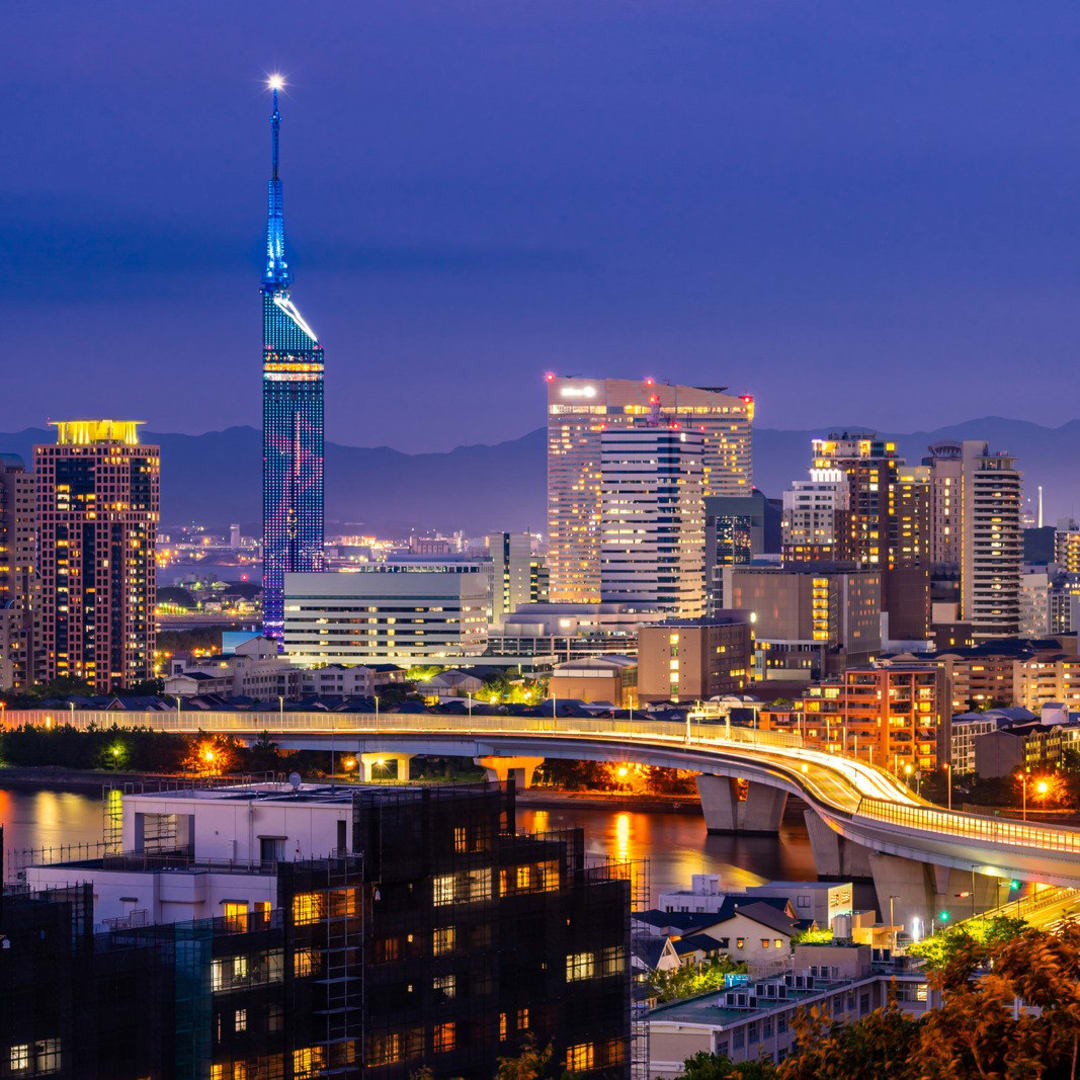
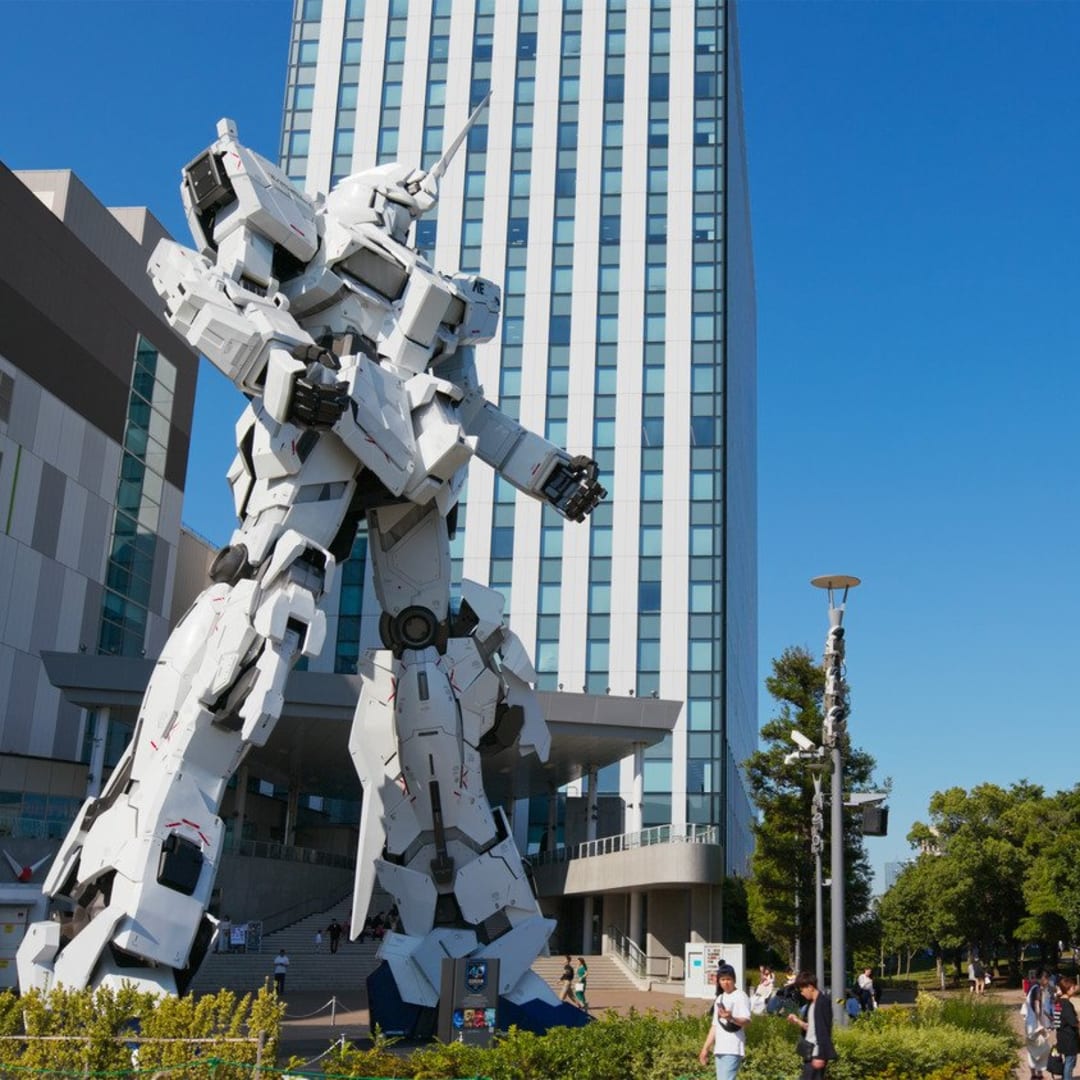
Odaiba & Tokyo Bay Area
View area
Browse Japan as nested travel areas first. Start broad, compare neighborhoods, then open the area that should shape your routes and spots.
Editorial picks for quickly understanding different travel moods and urban textures.
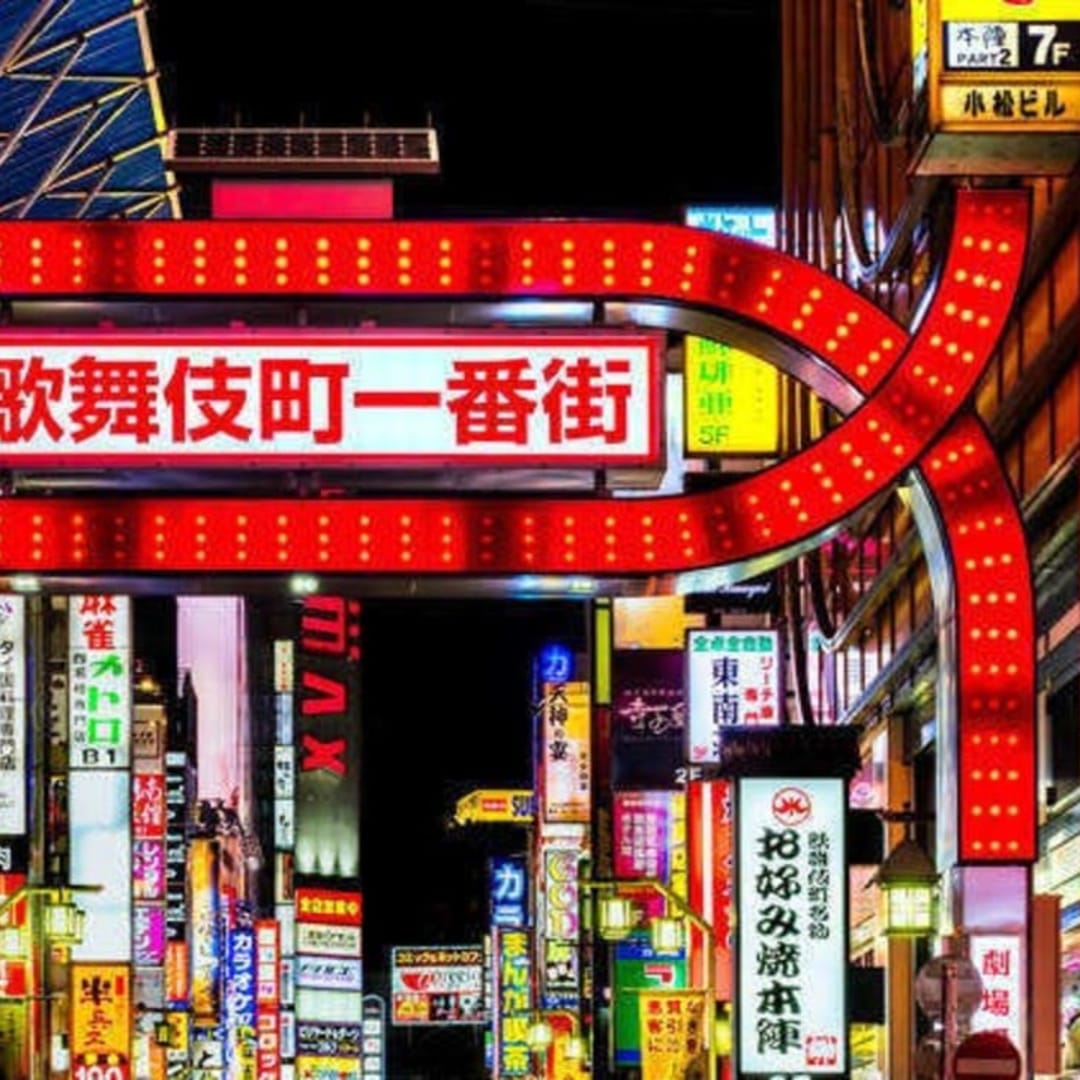
Shinjuku & Northwest Tokyo combine urban vibrancy with rich subcultures. From Shinjuku’s shopping and nightlife to Koenji and Nakano’s vintage shops and indie spirit, it’s where Tokyo shows its diverse personality.
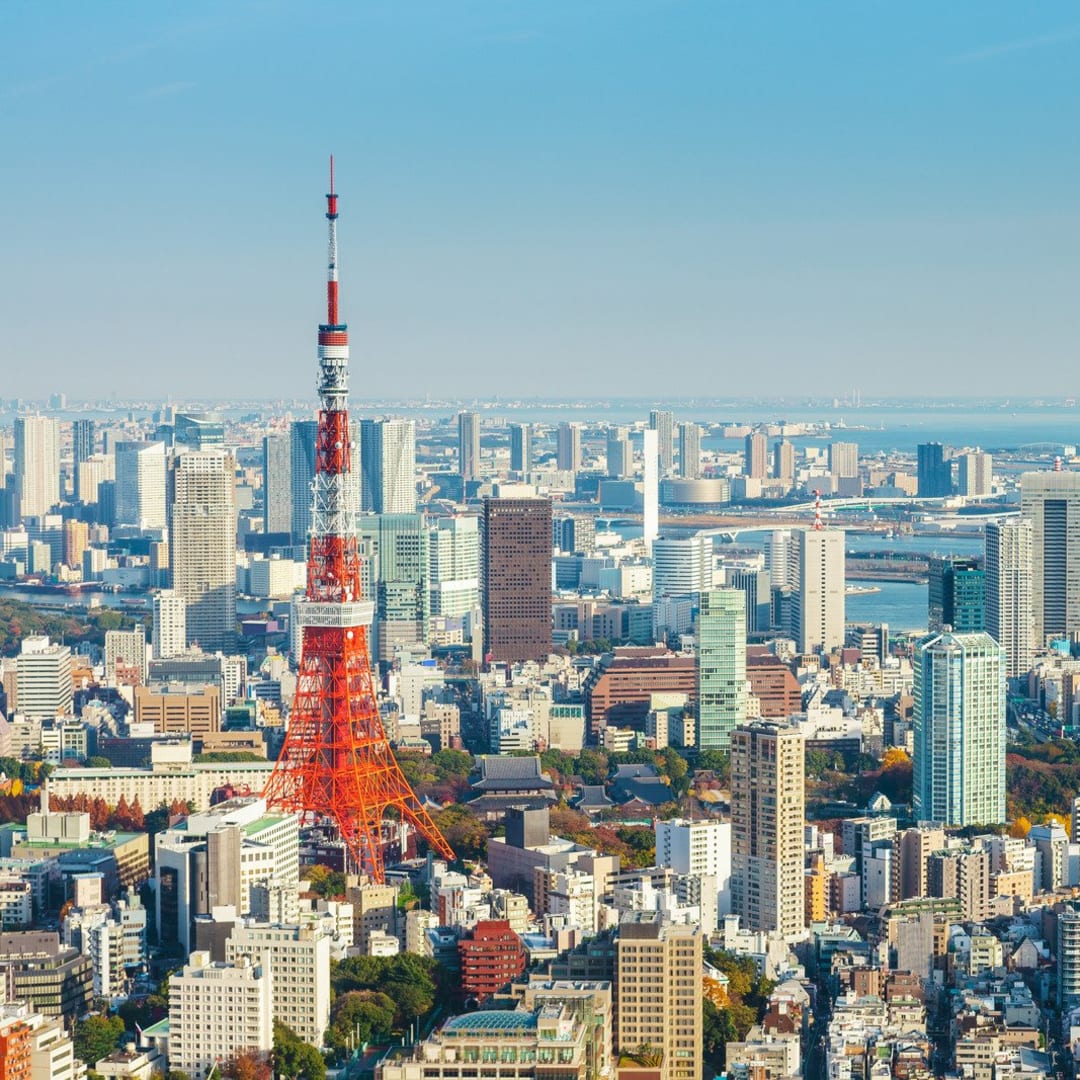
Tokyo is Japan’s capital and the center of the country’s politics, economy, culture, and transportation. From historic neighborhoods to cutting-edge commercial districts, art spaces, and diverse urban lifestyles, it is one of the best places to understand contemporary Japan.
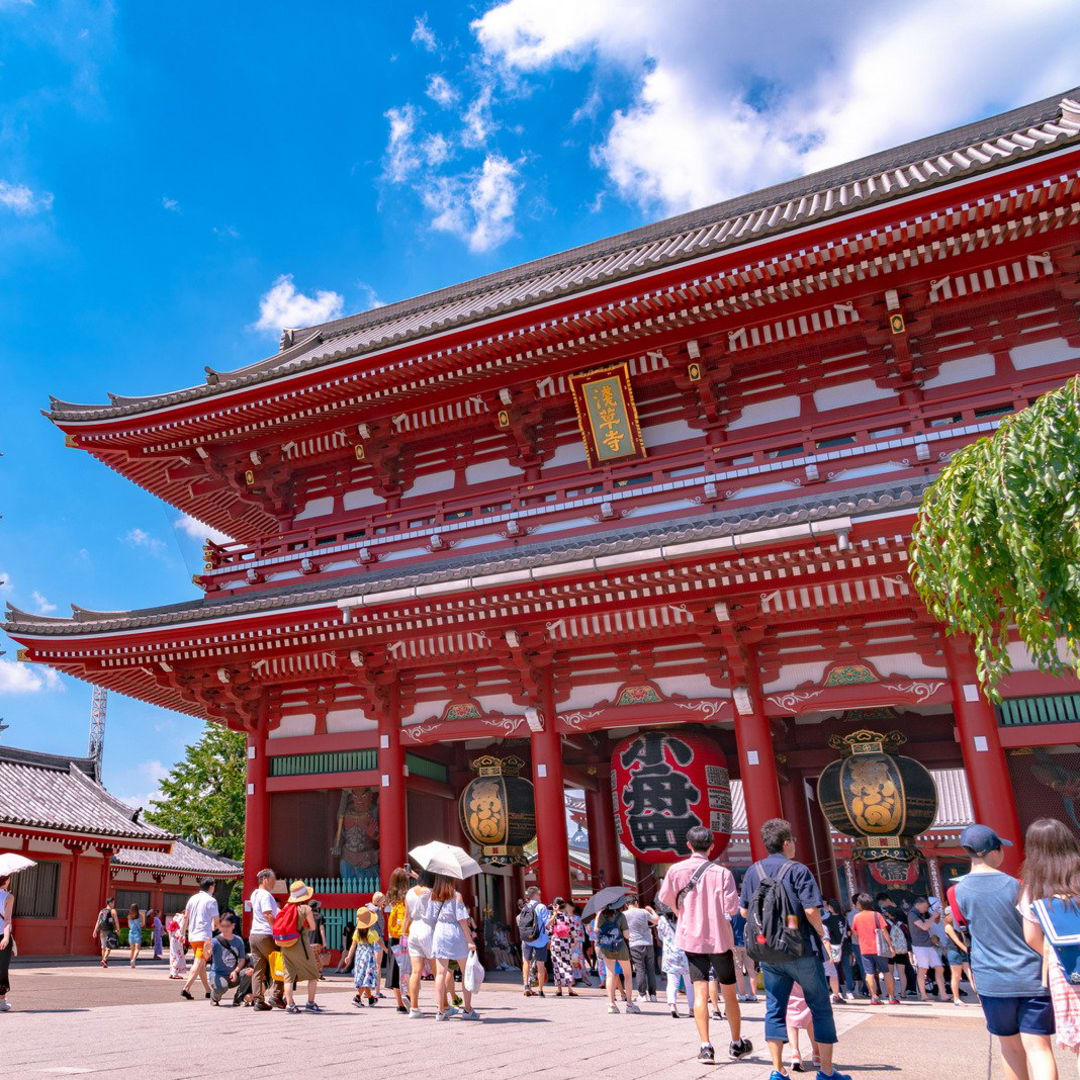
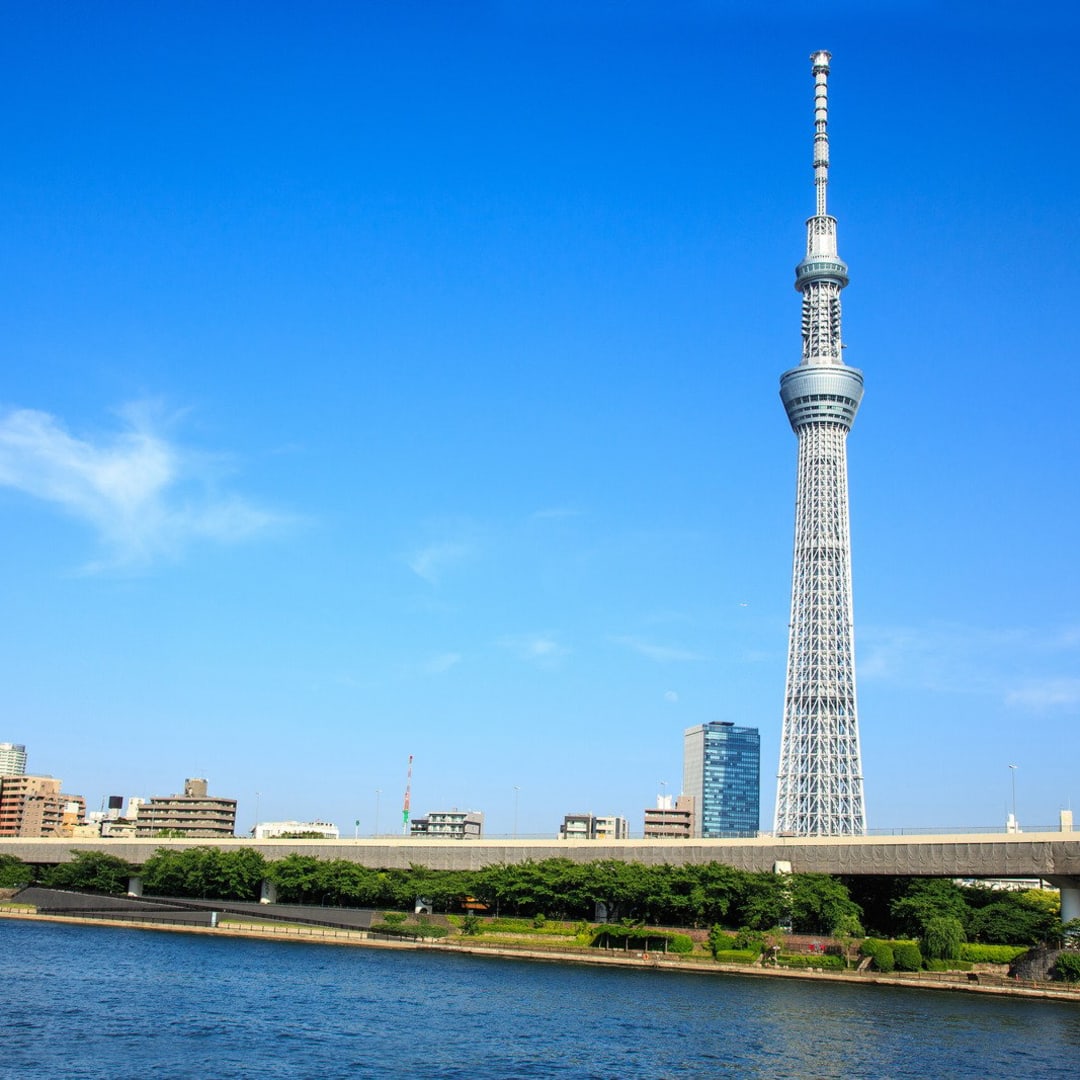
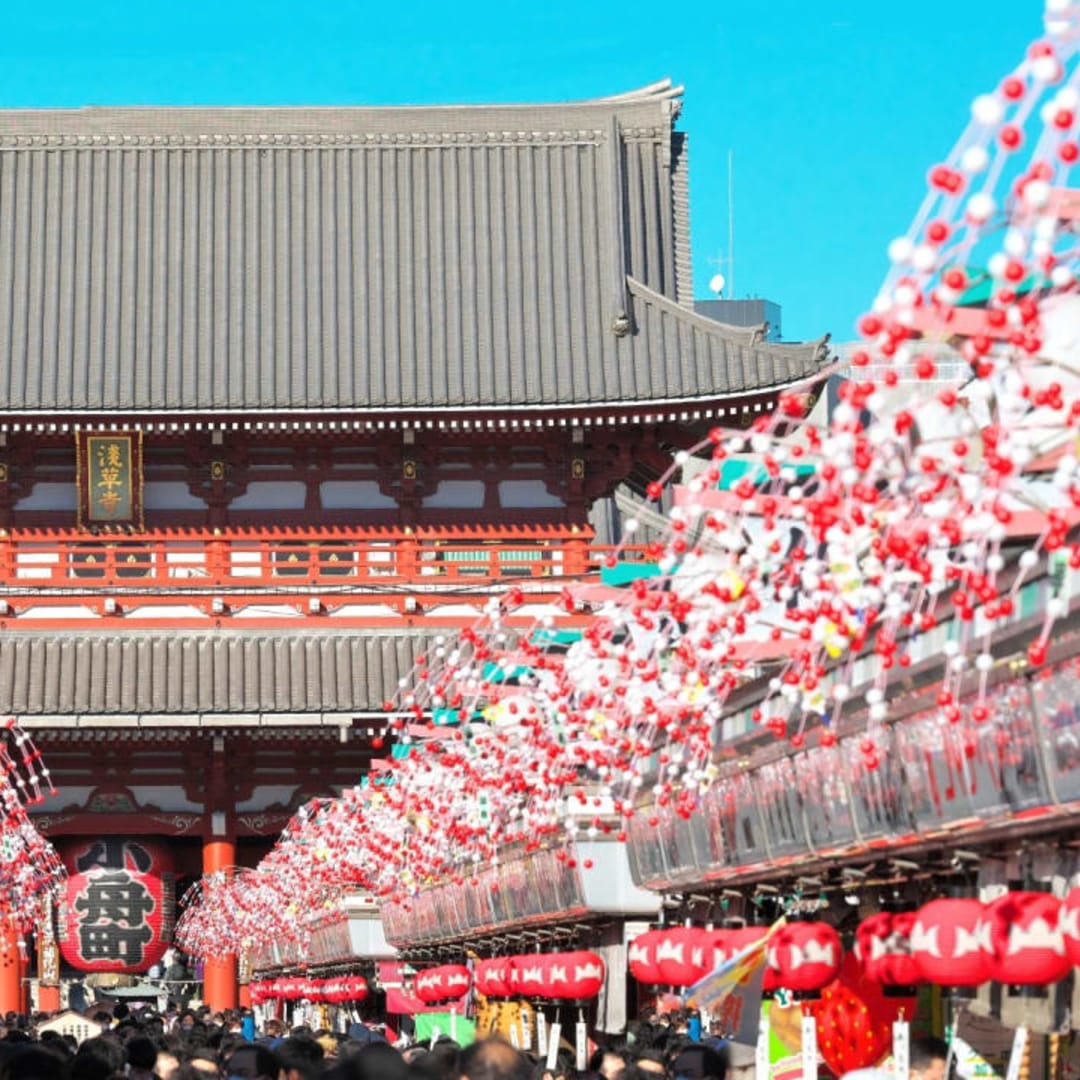
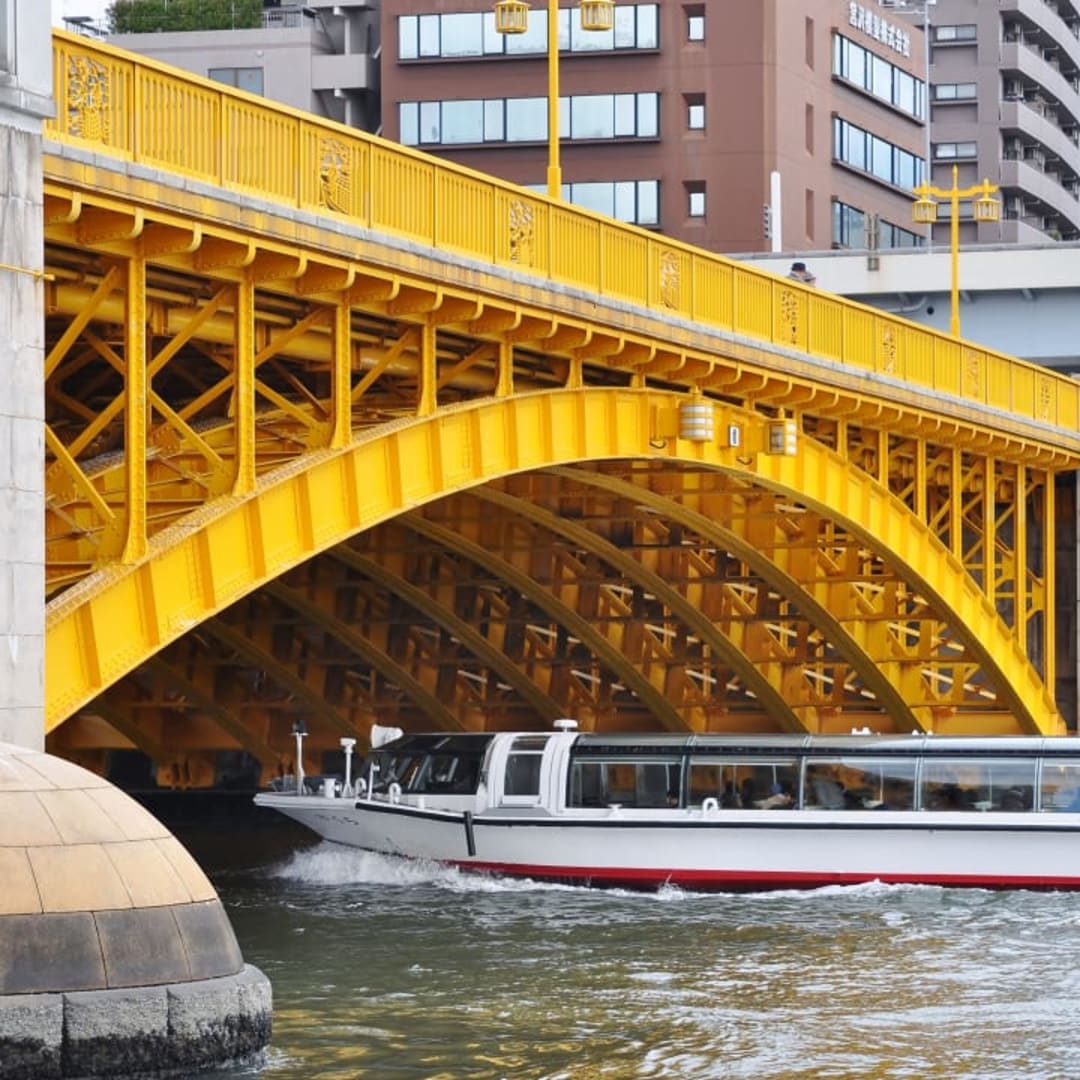
Asakusa is one of Tokyo's most iconic traditional districts (Shitamachi), steeped in the atmosphere of the Edo period. It offers a journey back in time, allowing visitors to experience the charm of old Tokyo. The heart of the area is undoubtedly Senso-ji Temple, Tokyo's oldest temple with a history spanning nearly 1400 years. Leading to the main hall is the Nakamise-dori shopping street, a bustling 250-meter path lined with stalls selling traditional snacks like Ningyo-yaki and Age-manju, alongside crafts such as fans and kimonos – perfect for souvenirs and local flavors. The Kaminarimon Gate, with its massive red lantern, serves as the symbol of Asakusa and a must-visit photo spot. Beyond Senso-ji, visitors can stroll along the Sumida River, enjoying the contrast between the modern Tokyo Skytree and the traditional townscape, or take a scenic river cruise via water bus. Nearby streets like Denboin-dori also retain a retro vibe, hiding many unique shops and restaurants. Experiencing a rickshaw ride through the old streets offers another unique way to explore. Asakusa attracts not only foreign tourists seeking traditional Japanese culture but is also a vital place for locals for prayers, leisure, and enjoying festivals like the Sanja Matsuri. This blend of tradition and modernity, history and vitality, makes Asakusa an essential stop for understanding Tokyo's rich cultural heritage.
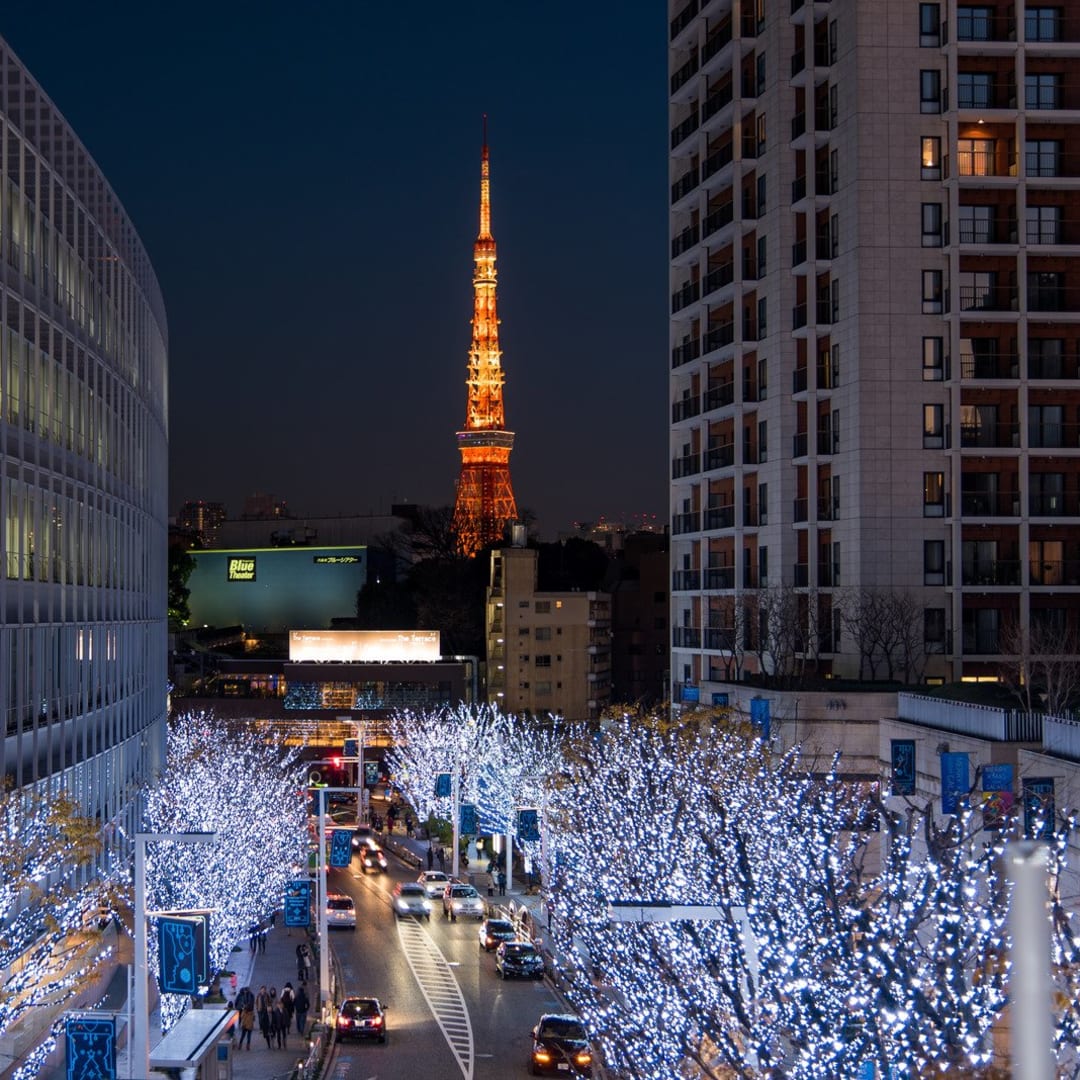
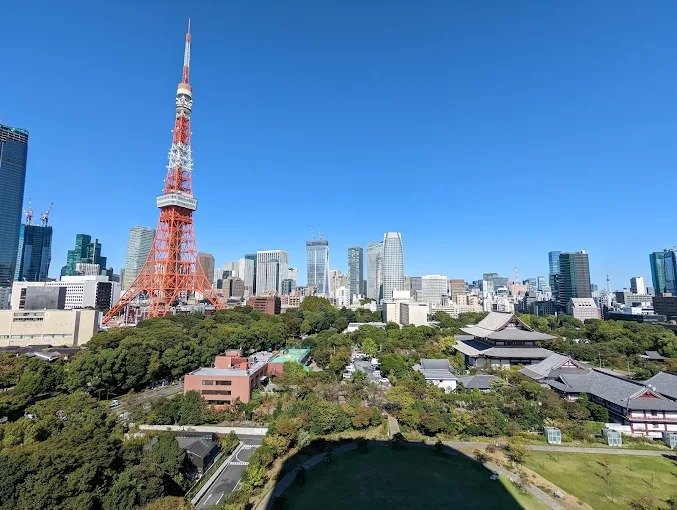
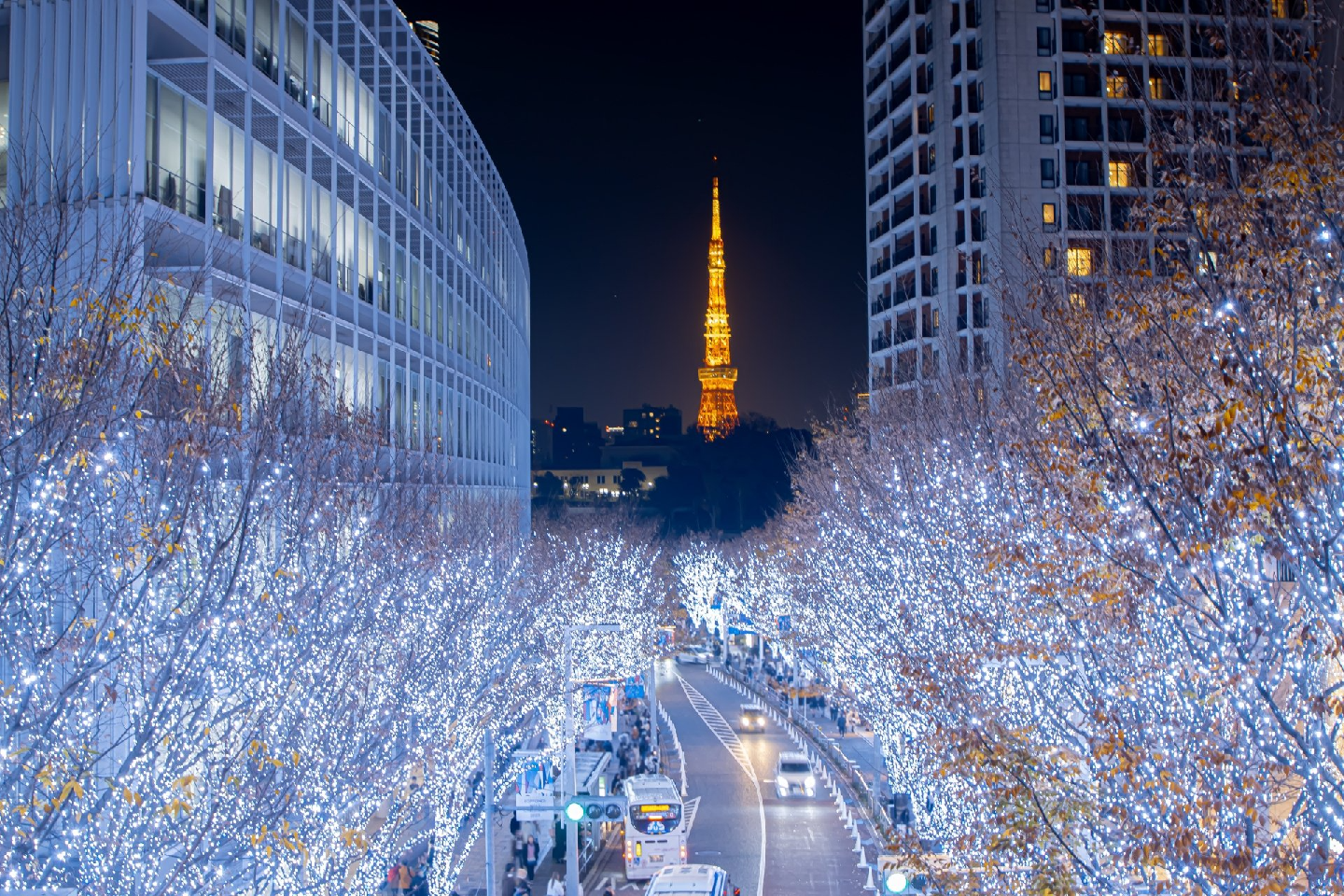
Roppongi and its surrounding area (including Azabu and Hiroo) constitute one of Tokyo's most international and dynamic districts, renowned for its bustling nightlife, high-end art and cultural facilities, and concentration of foreign embassies. Historically a nightlife hotspot due to its numerous clubs and bars, Roppongi retains this characteristic today, attracting both locals and international visitors. However, the area's landscape has been dramatically transformed by the development of two major complexes: Roppongi Hills and Tokyo Midtown. Roppongi Hills integrates offices, residences, shopping, dining, a hotel (Grand Hyatt Tokyo), a cinema complex, and the renowned Mori Art Museum and Tokyo City View observation deck, epitomizing modern urban living. Tokyo Midtown is known for its design focus and artistic ambiance, housing the Suntory Museum of Art, 21_21 DESIGN SIGHT, The Ritz-Carlton hotel, numerous boutiques and restaurants, and connects to Hinokicho Park, offering an urban oasis. The National Art Center, Tokyo is also located here. Nearby areas like Azabu-Juban retain some traditional shopping street charm while also featuring many stylish restaurants and international supermarkets, popular among expatriates. The Hiroo area is similarly known for its international community, trendy cafes, and shops. The Roppongi district blends international cosmopolitan allure, top-tier art experiences, and vibrant entertainment options, making it a representative area to feel Tokyo's global pulse and high-end trends.
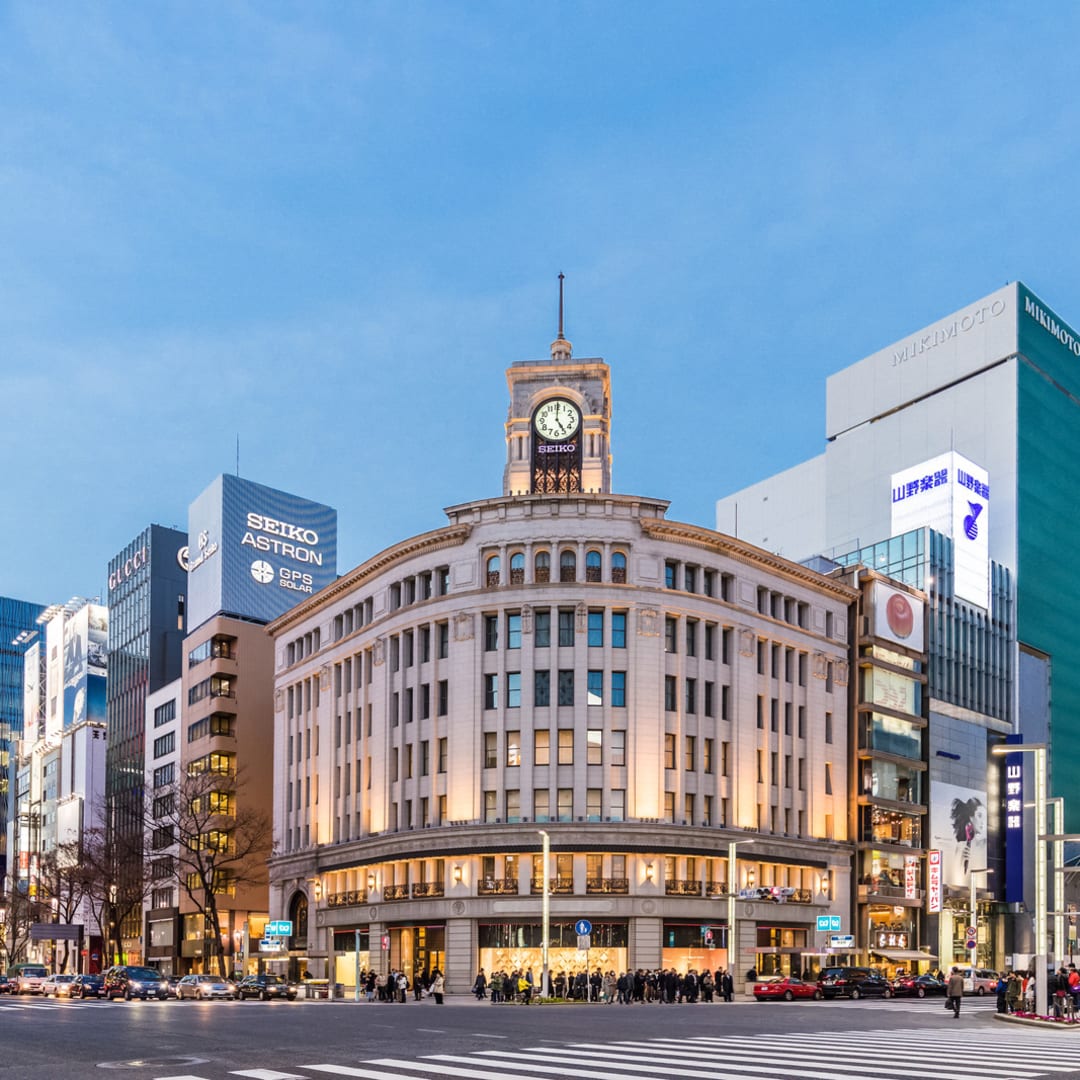
The Ginza and Tsukiji area presents a striking contrast between Tokyo's luxury and its vibrant market life. Ginza is Japan's most famous upscale shopping district, synonymous with wealth, elegance, and sophistication. It's lined with flagship stores of the world's top brands, long-established department stores (like Wako, Mitsukoshi, Matsuya), fine-dining restaurants, art galleries, and luxury hotels. The wide Chuo Dori avenue becomes a "pedestrian paradise" (Hokoten) on weekends, closed to traffic, allowing shoppers and visitors to stroll leisurely. Ginza is not only a shopping haven but also a gourmet destination, offering everything from Michelin-starred establishments to exclusive sushi counters tucked away in narrow alleys. The district glows with dazzling lights at night, possessing a distinct charm. Just a short walk from Ginza's opulent atmosphere lies the energetic Tsukiji. Although the famous Tsukiji Inner Market relocated to Toyosu in 2018, the Tsukiji Outer Market remains a paradise for food lovers. It retains a strong market vibe, with hundreds of small vendors and restaurants selling fresh seafood, sushi, seafood bowls (kaisendon), tamagoyaki (Japanese rolled omelets), as well as various kitchenware and dried goods. Visitors can savor the freshest, most authentic seafood breakfast or lunch here and experience the bustling, down-to-earth market atmosphere. The refined luxury of Ginza and the lively market energy of Tsukiji create an interesting juxtaposition, together forming a diverse and unmissable part of Tokyo.
Large regions give orientation, medium areas define a trip base, and small areas help you decide where to spend time on foot.
Use these as the first map layer when comparing broad travel directions.
Good for choosing the base of a day plan or stay.
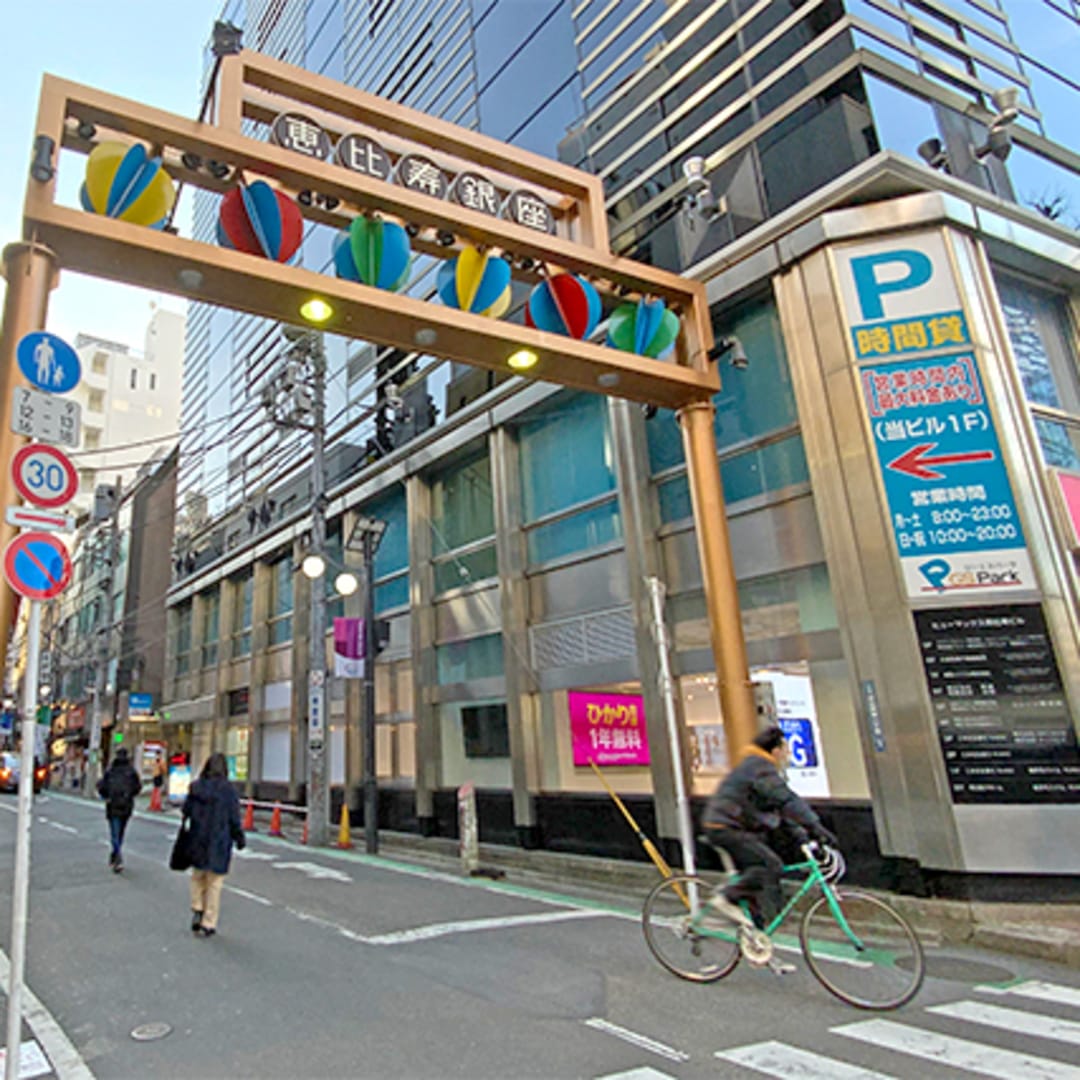
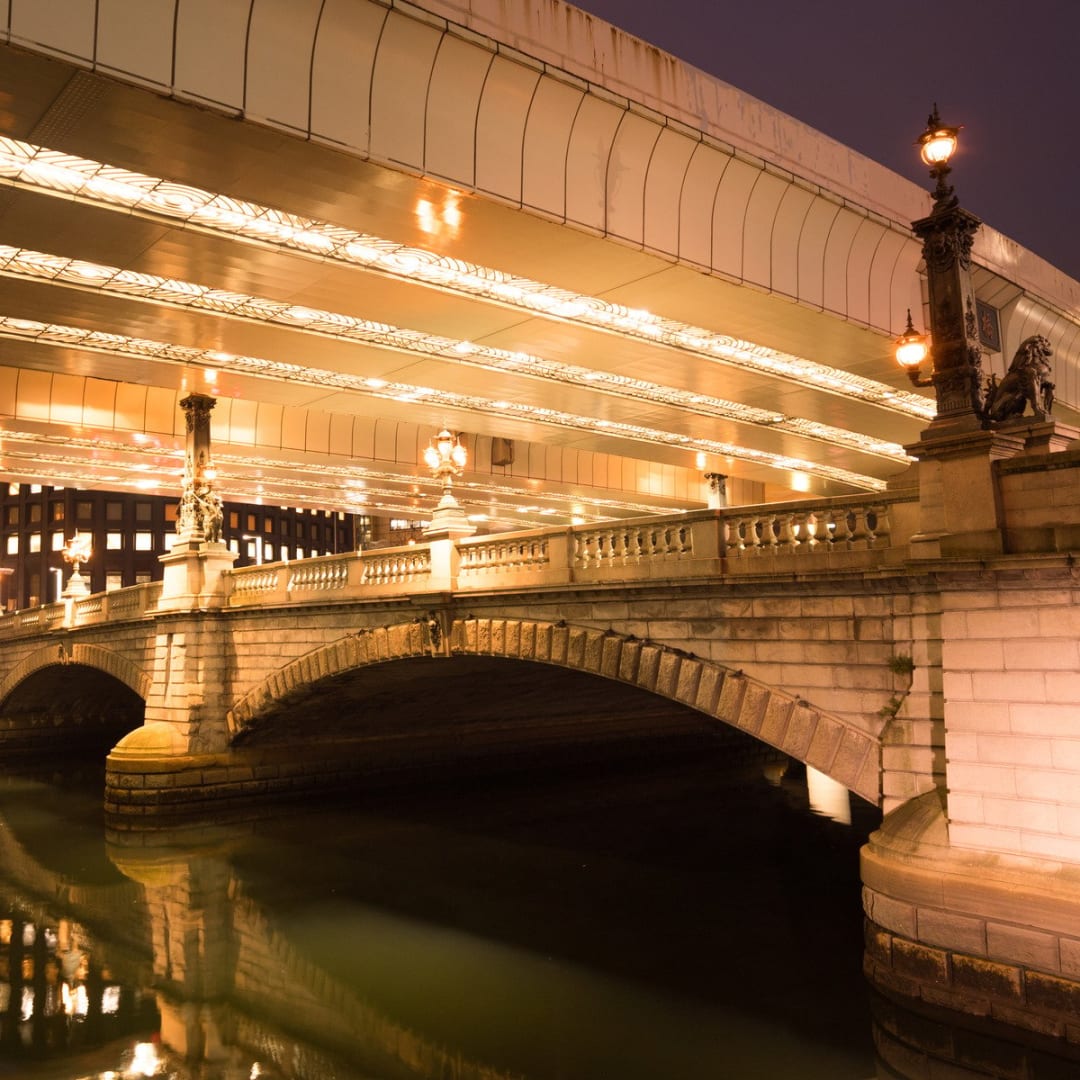
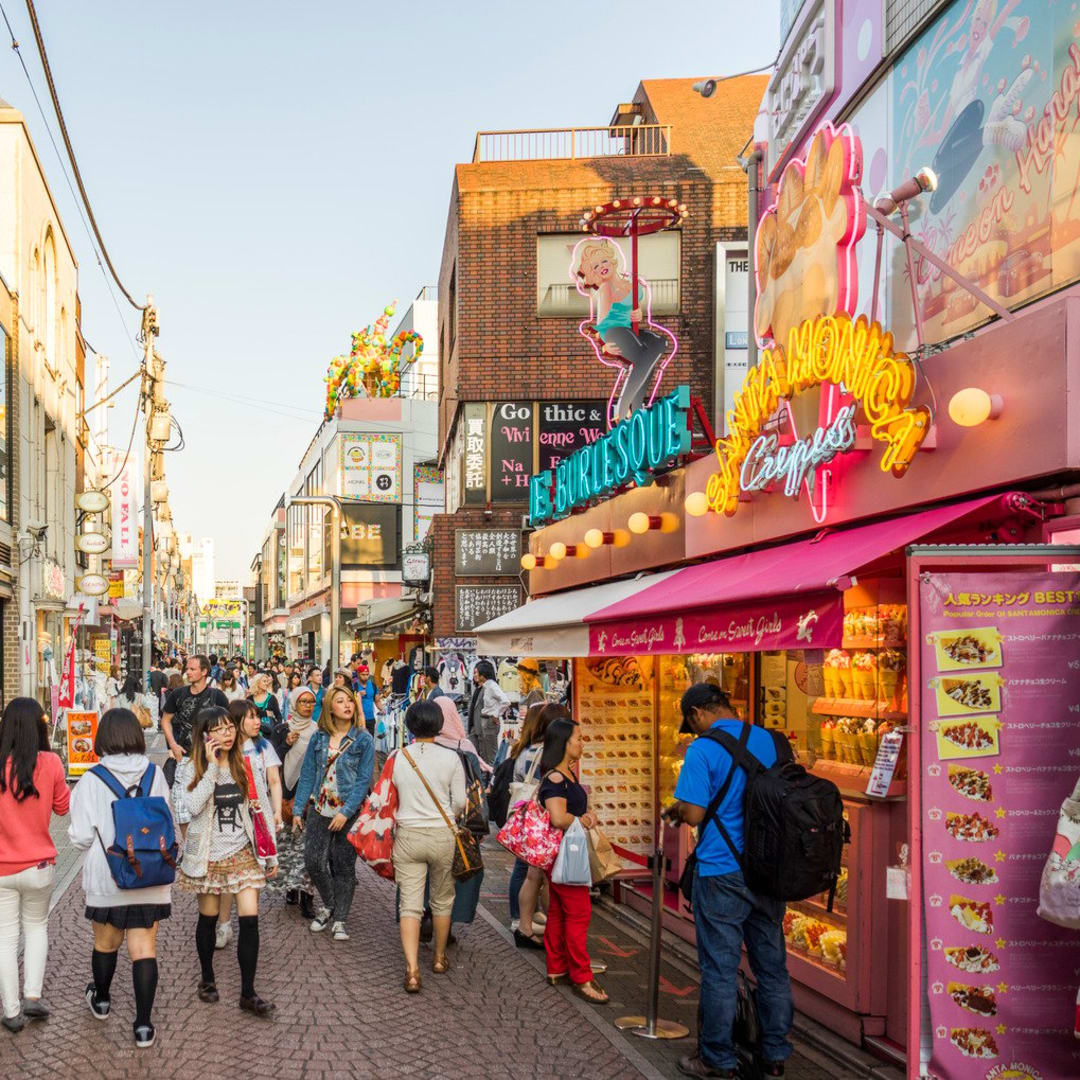
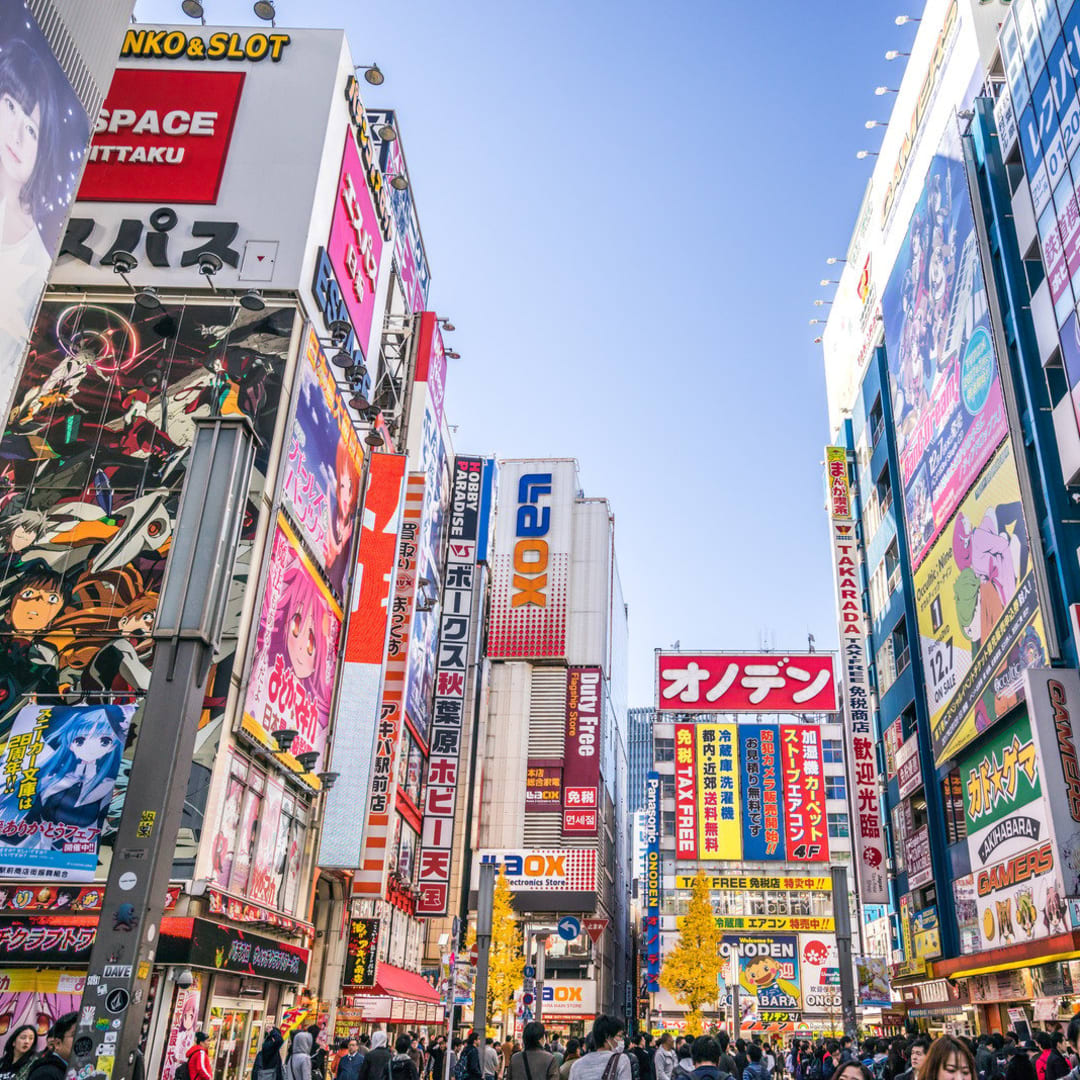
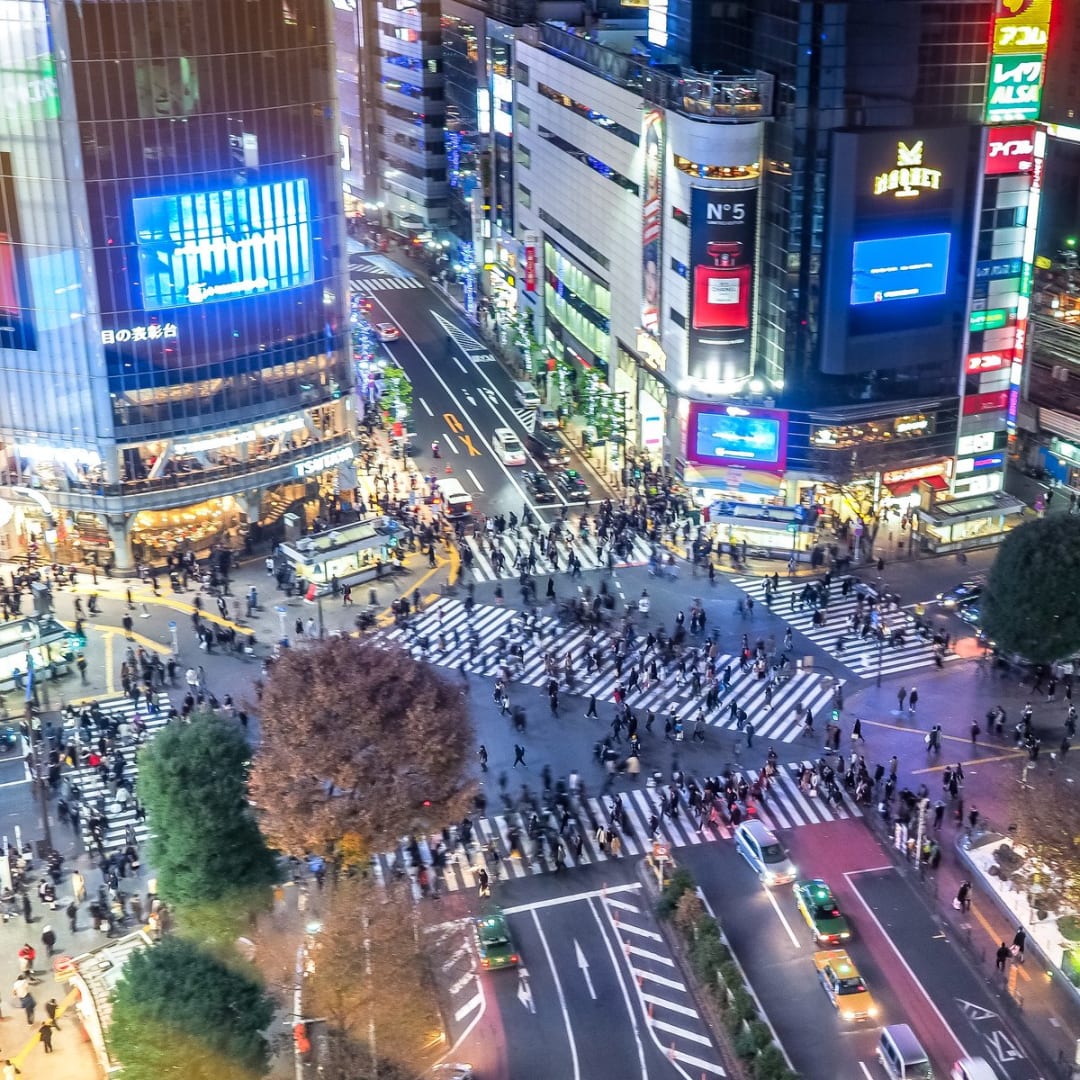
Best for walkable neighborhoods, local scenes, and detailed discovery.
Understanding Regional Characteristics at a Glance
Get a bird's-eye view of Japan's diverse regions with our comprehensive area overview. Quickly understand the unique characteristics of different areas—from bustling metropolitan districts to serene countryside regions. Our system helps you grasp the overall travel scope, making it easier to plan your journey and understand what makes each region special. Whether you're interested in urban exploration, traditional culture, natural beauty, or culinary adventures, you'll find the perfect areas that match your interests.
Beyond Points, Discover Areas of Discovery
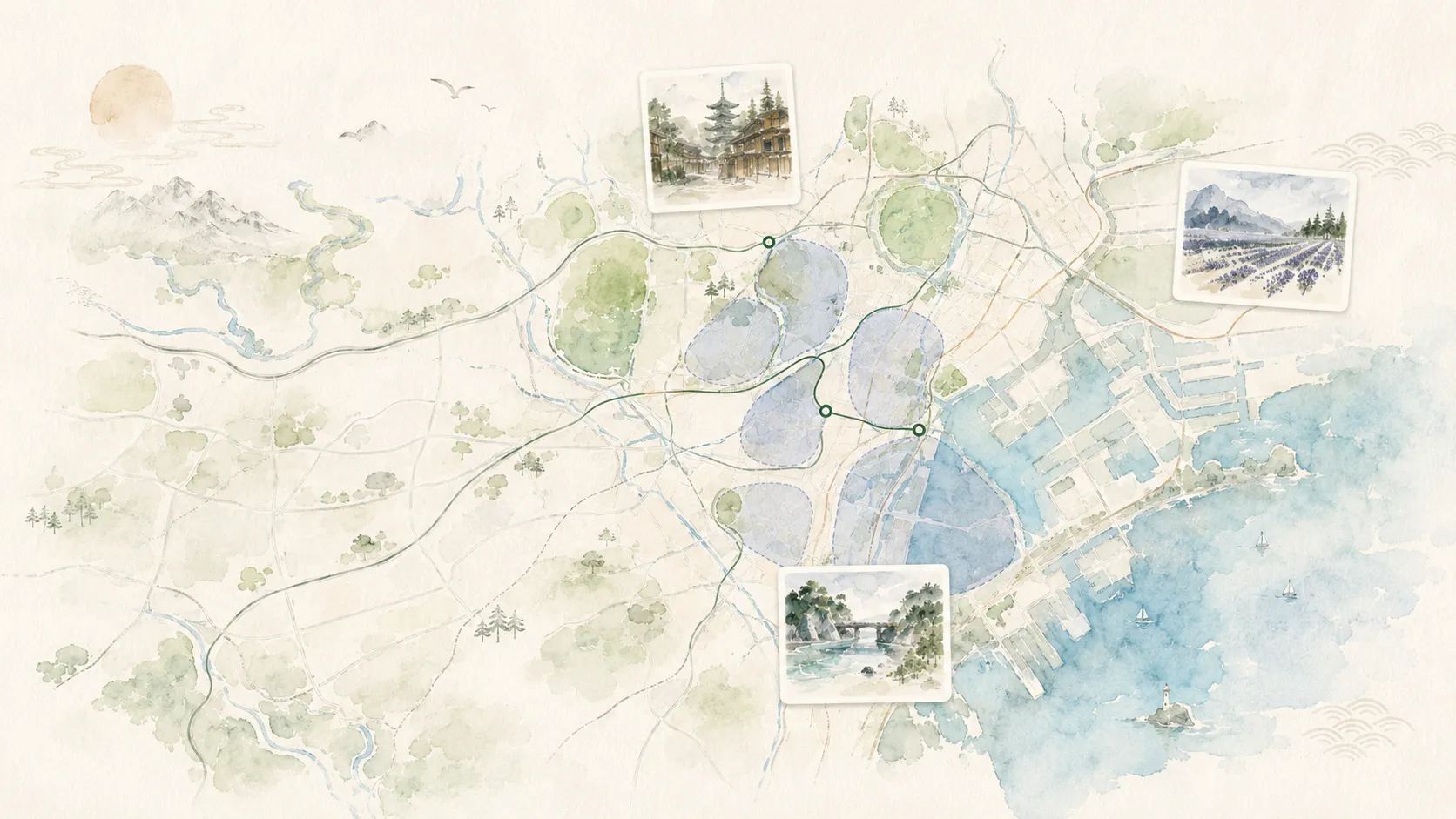
Area information isn't just about pinpointing specific locations—it's about understanding areas as continuous spaces of discovery. Instead of thinking in isolated points, imagine walking through a vibrant neighborhood where every turn reveals something new. Within each area, you can wander freely and serendipitously discover hidden cafes, local shops, charming streets, and unexpected cultural experiences. It's like having a map that doesn't just show destinations, but entire realms of possibility where adventure awaits around every corner.
Open DangoTravel and start comparing areas, routes, and places for your Japan trip.