1. Home
  2. Areas
  3. Asakusa & Sumida River

Asakusa & Sumida River

Large travel areaCastle townShowa
Asakusa &  Sumida River
OverviewExplore

Overview

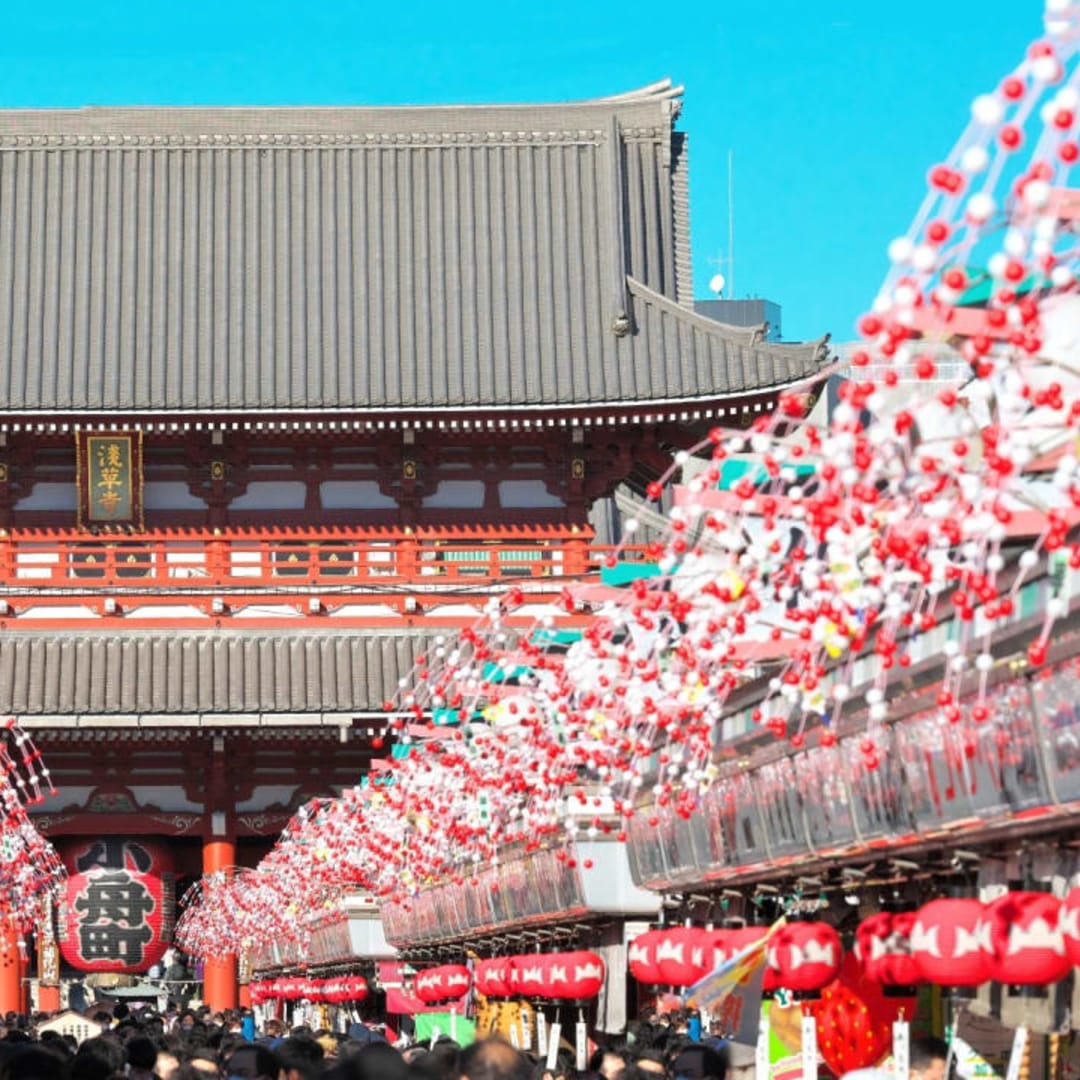
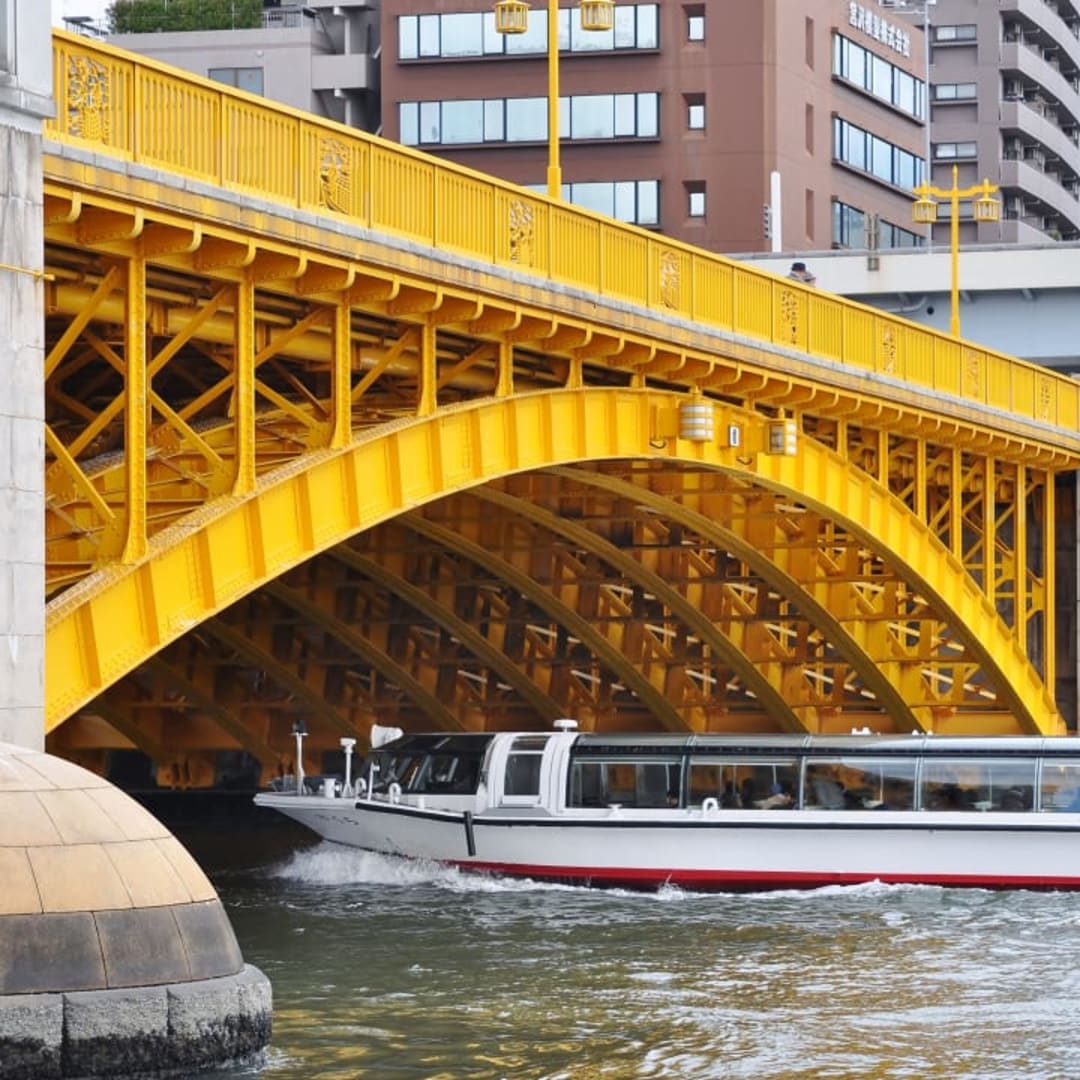
Asakusa is one of Tokyo's most iconic traditional districts (Shitamachi), steeped in the atmosphere of the Edo period. It offers a journey back in time, allowing visitors to experience the charm of old Tokyo. The heart of the area is undoubtedly Senso-ji Temple, Tokyo's oldest temple with a history spanning nearly 1400 years. Leading to the main hall is the Nakamise-dori shopping street, a bustling 250-meter path lined with stalls selling traditional snacks like Ningyo-yaki and Age-manju, alongside crafts such as fans and kimonos – perfect for souvenirs and local flavors. The Kaminarimon Gate, with its massive red lantern, serves as the symbol of Asakusa and a must-visit photo spot. Beyond Senso-ji, visitors can stroll along the Sumida River, enjoying the contrast between the modern Tokyo Skytree and the traditional townscape, or take a scenic river cruise via water bus. Nearby streets like Denboin-dori also retain a retro vibe, hiding many unique shops and restaurants. Experiencing a rickshaw ride through the old streets offers another unique way to explore. Asakusa attracts not only foreign tourists seeking traditional Japanese culture but is also a vital place for locals for prayers, leisure, and enjoying festivals like the Sanja Matsuri. This blend of tradition and modernity, history and vitality, makes Asakusa an essential stop for understanding Tokyo's rich cultural heritage.

At a glance

Area type
Large travel area
Location
Sumida City, Tokyo
View on Map

Areas inside this area

5 areas

Use the map to understand how this area is divided, then choose a more specific neighborhood.

Ryogoku
1Travel area

Ryogoku

The Ryogoku area, located on the eastern bank of the Sumida River in western Sumida Ward, is widely known as the spiritual home of Japan’s national sport, sumo. During the Edo period, Ryogoku flourished alongside the bustling riverside, with Ekoin Temple becoming a historic site where early sumo tournaments were held, and where faith and everyday life intertwined. Today, Ryogoku is symbolized by the Ryogoku Kokugikan (Sumo Stadium), surrounded by numerous sumo stables and traditional restaurants serving hearty chanko-nabe, the signature hotpot of sumo wrestlers, creating a unique local atmosphere. Beyond sumo, Ryogoku is also a hub for experiencing Edo culture. The Edo-Tokyo Museum offers an immersive journey through the city’s history from the Edo period to modern times, while historic temples, bridges, and riverfront promenades reveal the nostalgic charm of Tokyo’s old downtown. Walking along the Ryogoku Bridge or the Sumida River Terrace, visitors can enjoy refreshing riverside views and imagine the bustle of old Edo. Cultural attractions such as the Sumo Museum, ukiyo-e collections, and traditional craft workshops also provide deeper insights into Japan’s heritage. The culinary scene is another highlight. From robust chanko hotpots to izakaya taverns and classic Japanese dining, Ryogoku offers a wide range of flavors. At night, the area buzzes with both locals and travelers. In summer, Ryogoku also becomes a prime viewing spot for the Sumida River Fireworks Festival, attracting large crowds to enjoy the spectacle. Altogether, Ryogoku combines sumo traditions, Edo-period culture, and scenic riverside experiences, making it a multifaceted and historically rich destination for visitors to Tokyo.
View area
Asakusa area
2Travel area

Asakusa area

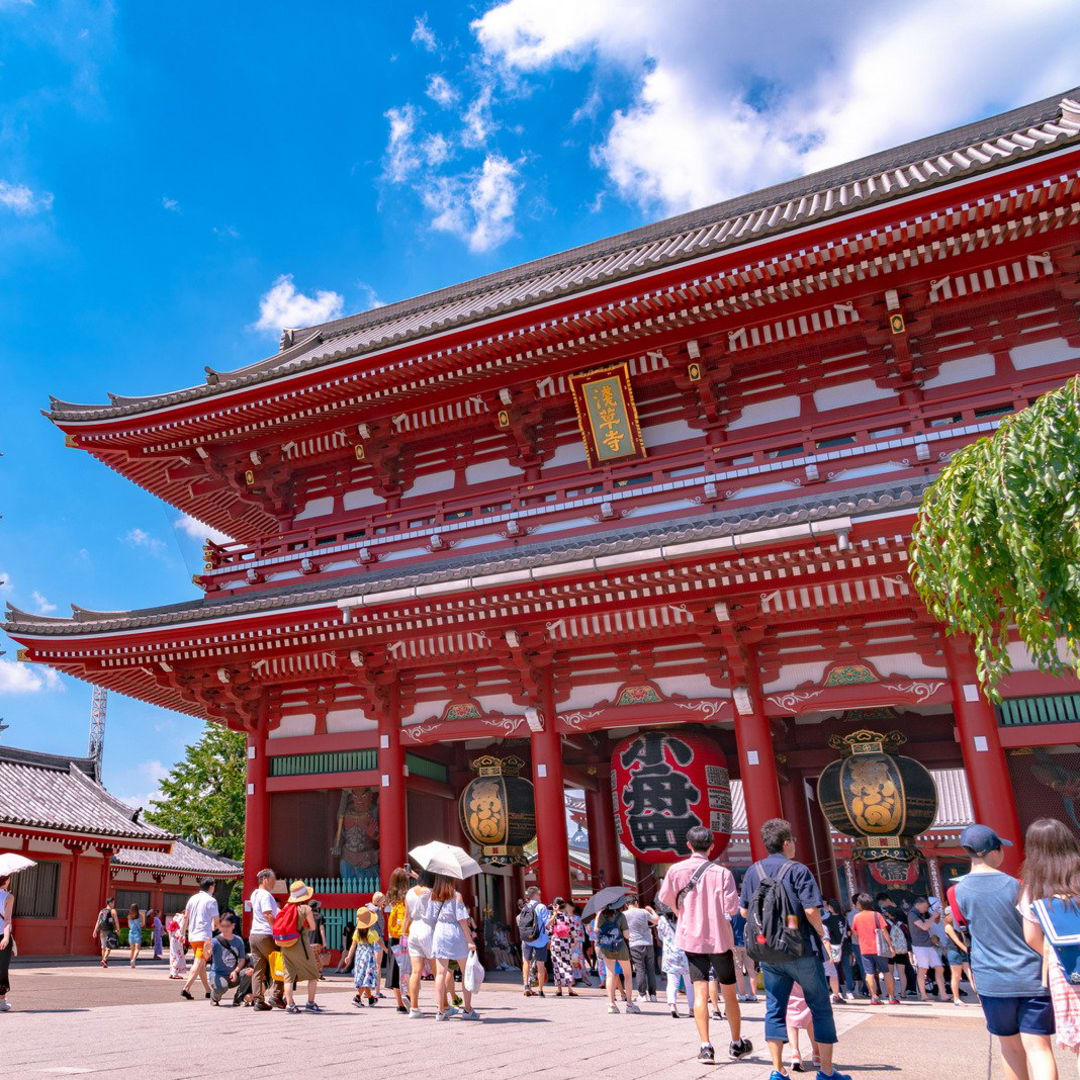
The Core Senso-ji Temple Area is one of Tokyo's most vibrant historical and cultural experience zones, centered entirely around the ancient Senso-ji Temple. The heart of this area is undoubtedly the temple complex itself, starting from the iconic Kaminarimon Gate, whose massive red lantern signals entry into a world steeped in traditional atmosphere. Passing through the gate leads onto the bustling Nakamise-dori shopping street. This roughly 250-meter stone-paved path is crammed on both sides with diverse shops selling a dazzling array of traditional snacks and souvenirs, from ningyo-yaki cakes and senbei rice crackers to fans and wooden sandals, filling the air with the aroma of food and the lively chatter of visitors. At the end of Nakamise-dori, beyond the Hozomon Gate, lies the main temple courtyard. The magnificent Main Hall (Kannon-do) and the Five-Story Pagoda dominate the view, enveloped in incense smoke, as devotees pray fervently and tourists absorb the profound religious atmosphere and sense of history. In addition to this main axis, the core area encompasses the small streets immediately adjacent to the temple, such as Denboin-dori and Kannon-dori. These streets also retain a quaint charm, hiding more unique shops, traditional restaurants (like established tempura or unagi eateries), and offering rickshaw ride experiences. The entire core area functions like a living open-air museum, tightly weaving together religion, commerce, history, and local culture. It's not just a place for worship and prayer, but also an exceptional spot to experience Edo Shitamachi charm, taste traditional foods, buy distinctive souvenirs, and immerse oneself in the captivating heart of old Tokyo.

View area
Kuramae
3Travel area

Kuramae

Kuramae, located next to Asakusa, is often referred to as the “Brooklyn of Tokyo.” Once a historic district with government rice warehouses and wholesale businesses during the Edo period, it has recently transformed into a trendy neighborhood filled with renovated warehouses, stylish cafés, artisan shops, and craft studios. Visitors can enjoy unique Japanese-made goods such as leather items, stationery, and pottery, as well as explore the creative energy brought by young designers and makers. Combined with a stroll along the Sumida River, Kuramae offers the perfect blend of tradition and modern lifestyle.

View area
Kiyosumi-Shirakawa & Fukagawa
4Travel area

Kiyosumi-Shirakawa & Fukagawa

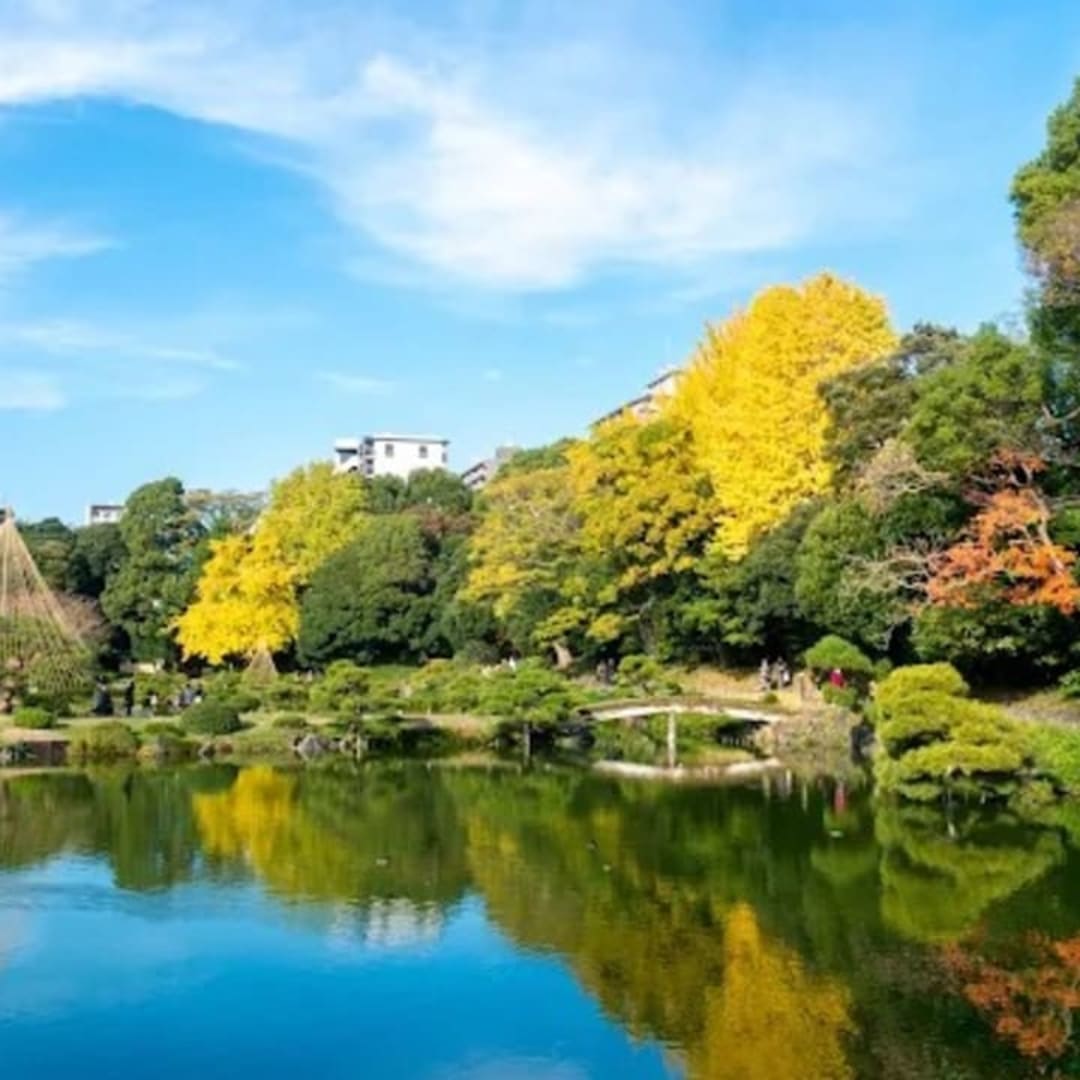
The Kiyosumi-Shirakawa & Fukagawa area offers a unique mix of traditional downtown atmosphere and modern culture in Tokyo. Visitors can explore the scenic Kiyosumi Gardens, experience Edo-period life at the Fukagawa Edo Museum, and enjoy the vibrant café culture that has made Kiyosumi-Shirakawa famous among coffee lovers. At the same time, historic temples and shrines such as Fukagawa Fudo-do Temple and Tomioka Hachimangu Shrine preserve the area’s spiritual heritage. Blending tradition and modernity, this district is a hidden gem for those who want to discover a different side of Tokyo.

View area
TOKYO SKYTREE
5Travel area

TOKYO SKYTREE

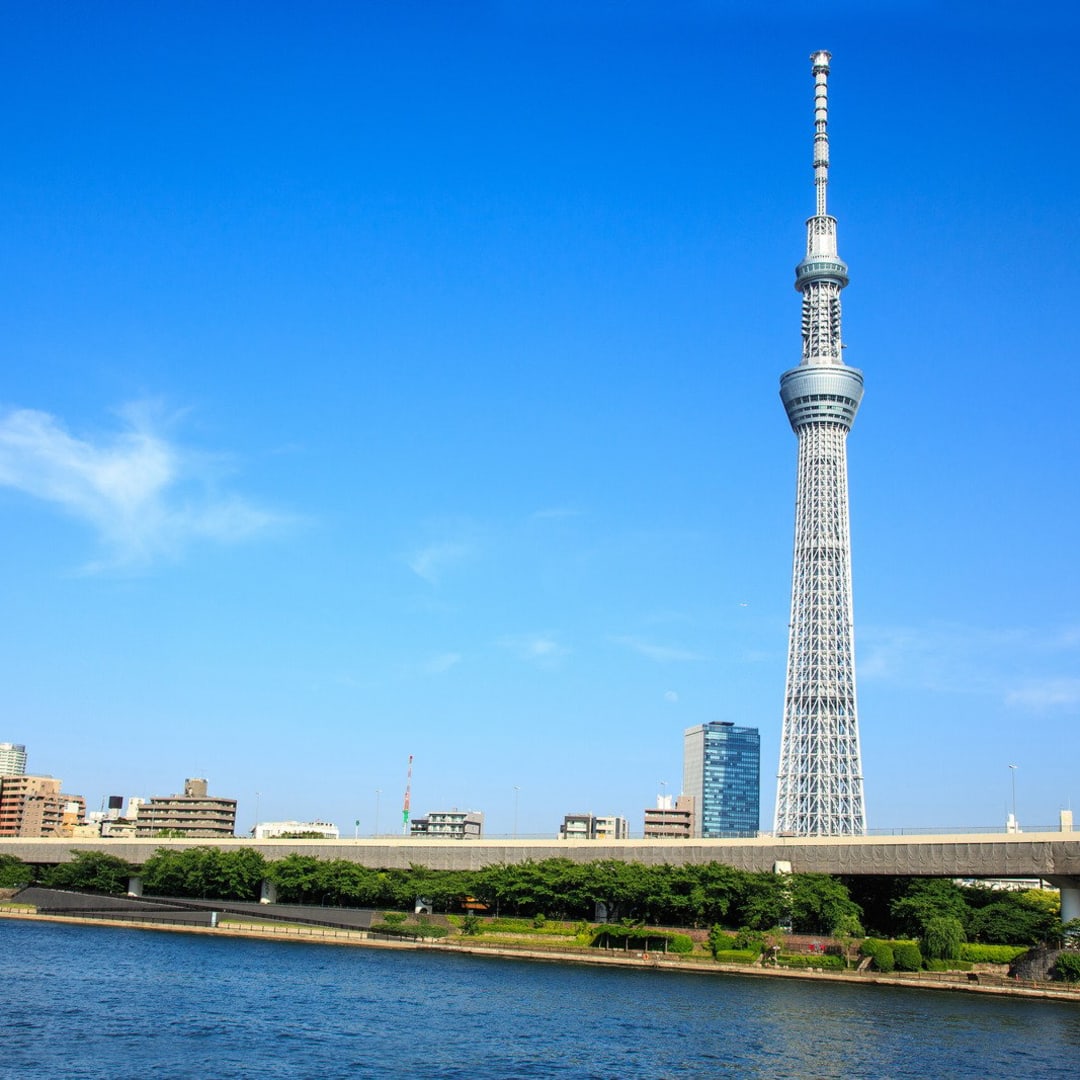
The Skytree Area is a relatively new sightseeing and commercial district developed around the magnificent Tokyo Skytree, located in Sumida Ward. Standing at 634 meters, Tokyo Skytree is the tallest structure in Japan and one of the tallest freestanding towers in the world. It serves as a primary television and radio broadcast site, but is also a major tourist attraction featuring two observation decks (at 350m and 450m) that offer breathtaking panoramic views of Tokyo, and even Mount Fuji on clear days. At the base of the tower lies "Tokyo Solamachi," a large shopping and entertainment complex with over 300 shops and restaurants offering fashion, souvenirs, groceries, and diverse dining options. It also houses the Sumida Aquarium and the Konica Minolta Planetarium "Tenku," providing ample choices for shopping and entertainment. The Skytree Area blends this modern landmark with the surrounding Shitamachi (old downtown) atmosphere that still lingers. In nearby neighborhoods like Oshiage and Narihirabashi, one can still sense the traditional residential vibe and find older shops and eateries. The Sumida River flows close by, allowing visitors to combine sightseeing with Asakusa or Ryogoku by taking a water bus to enjoy the riverside scenery and experience the blend of old and new Tokyo. Rejuvenated by the completion of the Skytree, this area attracts numerous domestic and international tourists and is a popular spot to witness Tokyo's modern architectural marvel, indulge in shopping and dining, and feel the contrast between new and old cultures.

View area

Map

View on Map