1. Home
  2. Areas
  3. Ryogoku

Ryogoku

Travel areaShowa
Ryogoku
OverviewExplore

Overview

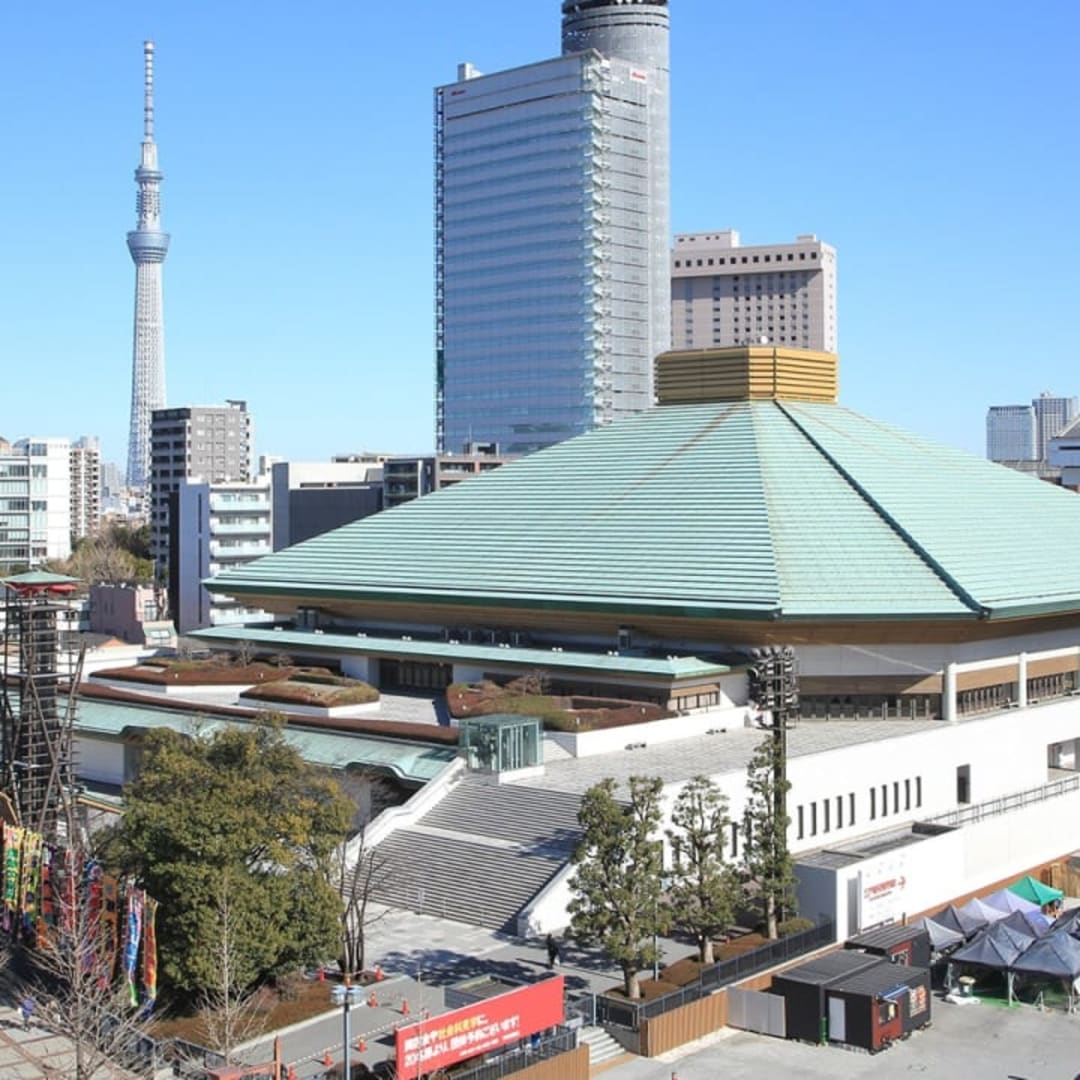
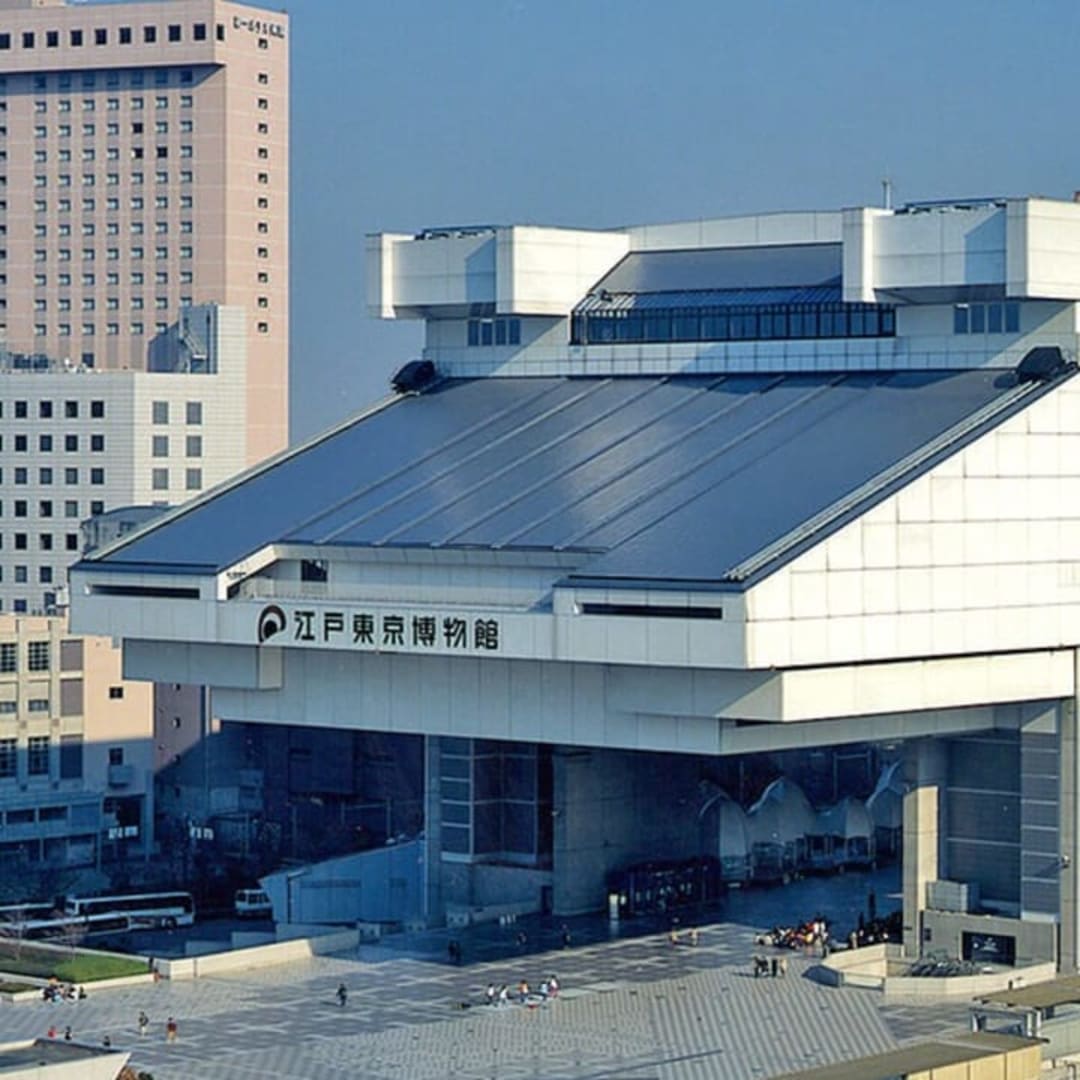
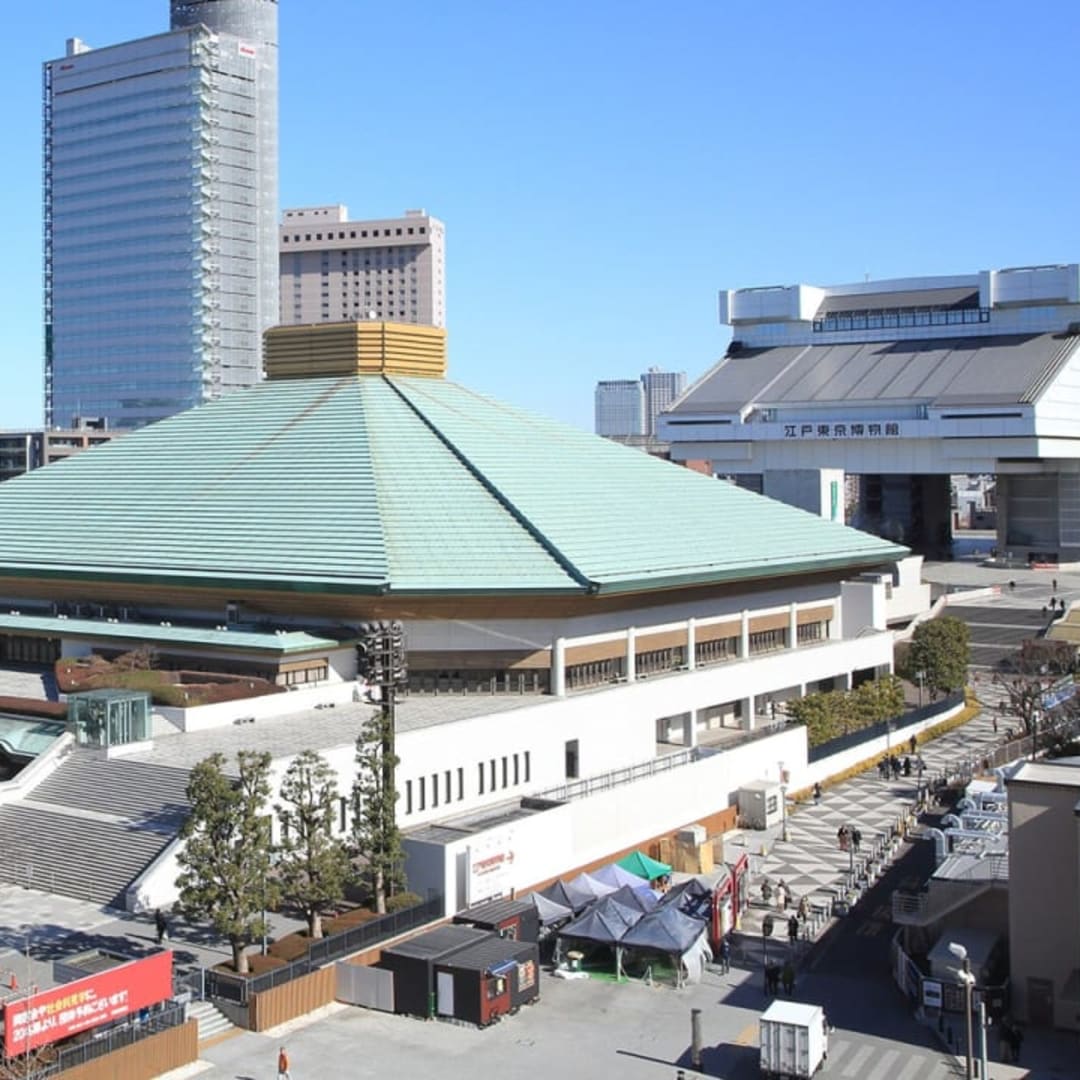
The Ryogoku area, located on the eastern bank of the Sumida River in western Sumida Ward, is widely known as the spiritual home of Japan’s national sport, sumo. During the Edo period, Ryogoku flourished alongside the bustling riverside, with Ekoin Temple becoming a historic site where early sumo tournaments were held, and where faith and everyday life intertwined. Today, Ryogoku is symbolized by the Ryogoku Kokugikan (Sumo Stadium), surrounded by numerous sumo stables and traditional restaurants serving hearty chanko-nabe, the signature hotpot of sumo wrestlers, creating a unique local atmosphere. Beyond sumo, Ryogoku is also a hub for experiencing Edo culture. The Edo-Tokyo Museum offers an immersive journey through the city’s history from the Edo period to modern times, while historic temples, bridges, and riverfront promenades reveal the nostalgic charm of Tokyo’s old downtown. Walking along the Ryogoku Bridge or the Sumida River Terrace, visitors can enjoy refreshing riverside views and imagine the bustle of old Edo. Cultural attractions such as the Sumo Museum, ukiyo-e collections, and traditional craft workshops also provide deeper insights into Japan’s heritage. The culinary scene is another highlight. From robust chanko hotpots to izakaya taverns and classic Japanese dining, Ryogoku offers a wide range of flavors. At night, the area buzzes with both locals and travelers. In summer, Ryogoku also becomes a prime viewing spot for the Sumida River Fireworks Festival, attracting large crowds to enjoy the spectacle. Altogether, Ryogoku combines sumo traditions, Edo-period culture, and scenic riverside experiences, making it a multifaceted and historically rich destination for visitors to Tokyo.
At a glance

Area type
Travel area
View on Map

Routes in this area

9 routes

Routes and walks that fit inside this area.

Sumida Museums and Craft Walk
1Walk4.5 km route

Sumida Museums and Craft Walk

The Japanese Sword Museum opens a museum route that continues through the NTT Docomo History Square and Sumida Hokusai Museum. Smaller galleries devoted to footprints, paulownia craft, acupuncture, massage, and bags extend the survey of local culture.

View route
A Deep Cultural Stroll Through Ryogoku – Edo History, Art & Sumo
23.8 km route

A Deep Cultural Stroll Through Ryogoku – Edo History, Art & Sumo

This immersive walking tour from Ryogoku Station takes you through some of Tokyo’s most fascinating cultural gems: the Edo-Tokyo Museum, the Sumida Hokusai Museum, and specialty museums dedicated to Japanese swords and sumo wrestling. You’ll also explore tranquil gardens and historical temples like Ekō-in, known as the birthplace of sumo tournaments. Perfect for travelers interested in traditional Japanese culture, samurai history, and Edo-period artistry, all within walking distance in the heart of old Tokyo.

View route
A Historical Walking Tour Through Ryogoku – The Heart of Edo Culture and Sumo
35 km route

A Historical Walking Tour Through Ryogoku – The Heart of Edo Culture and Sumo

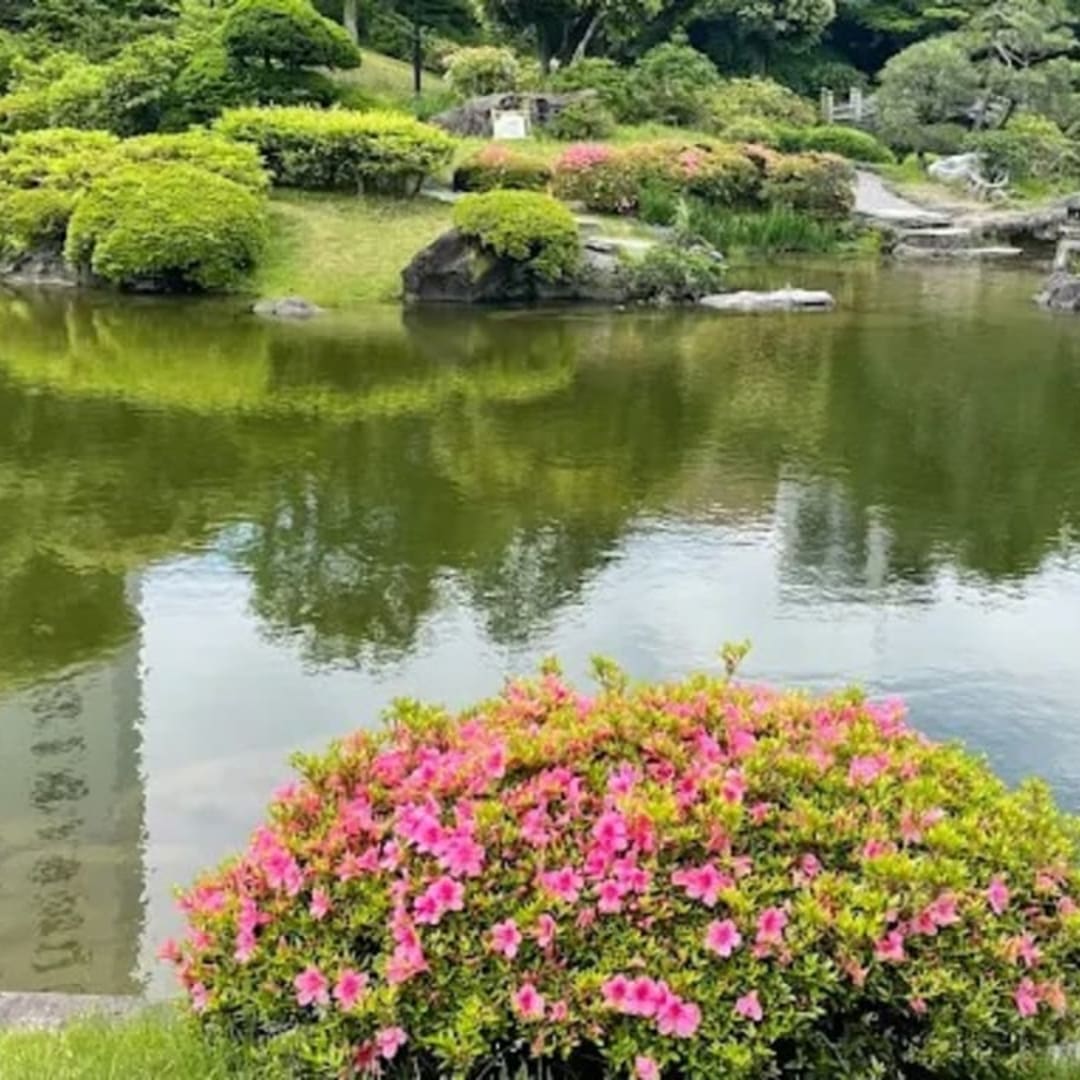
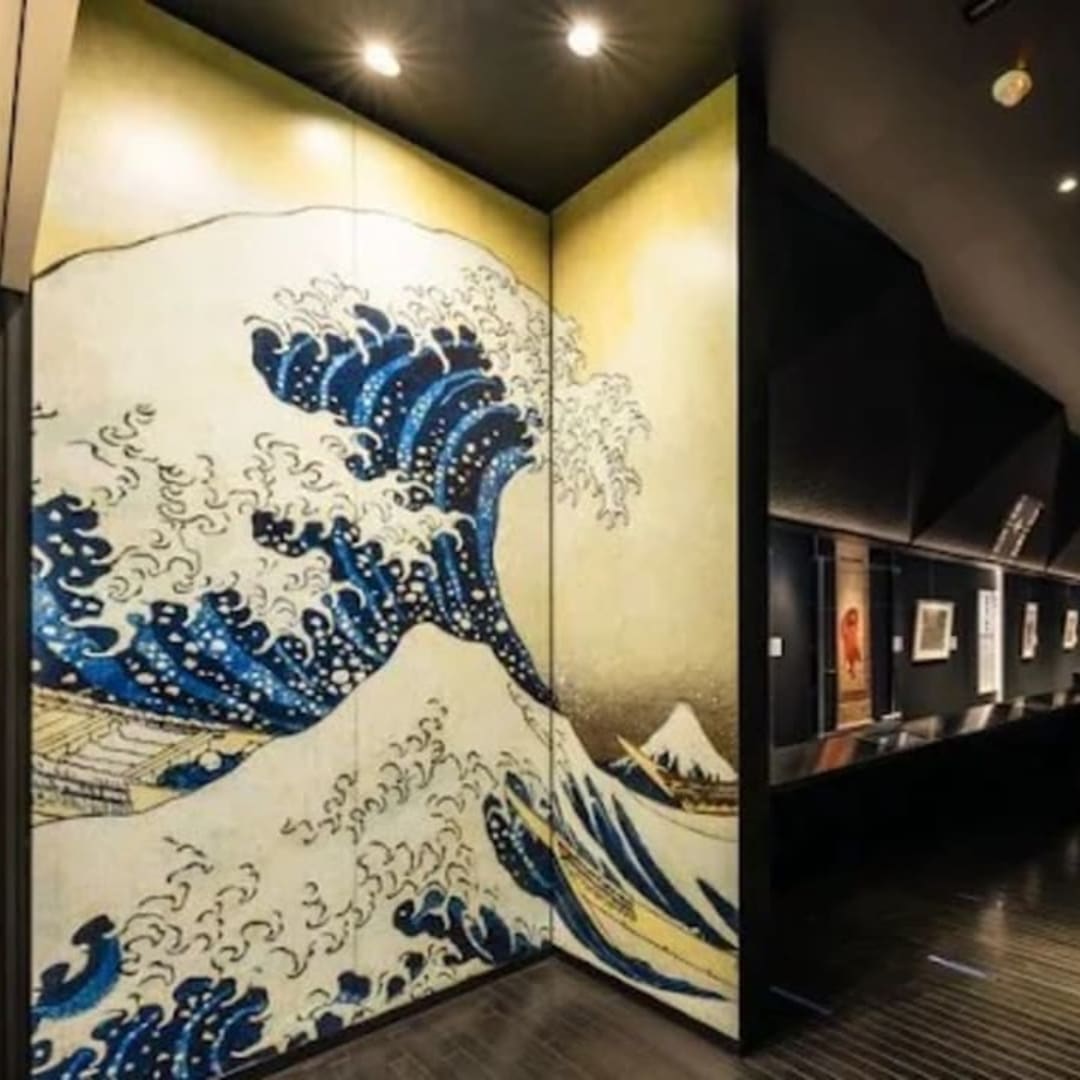
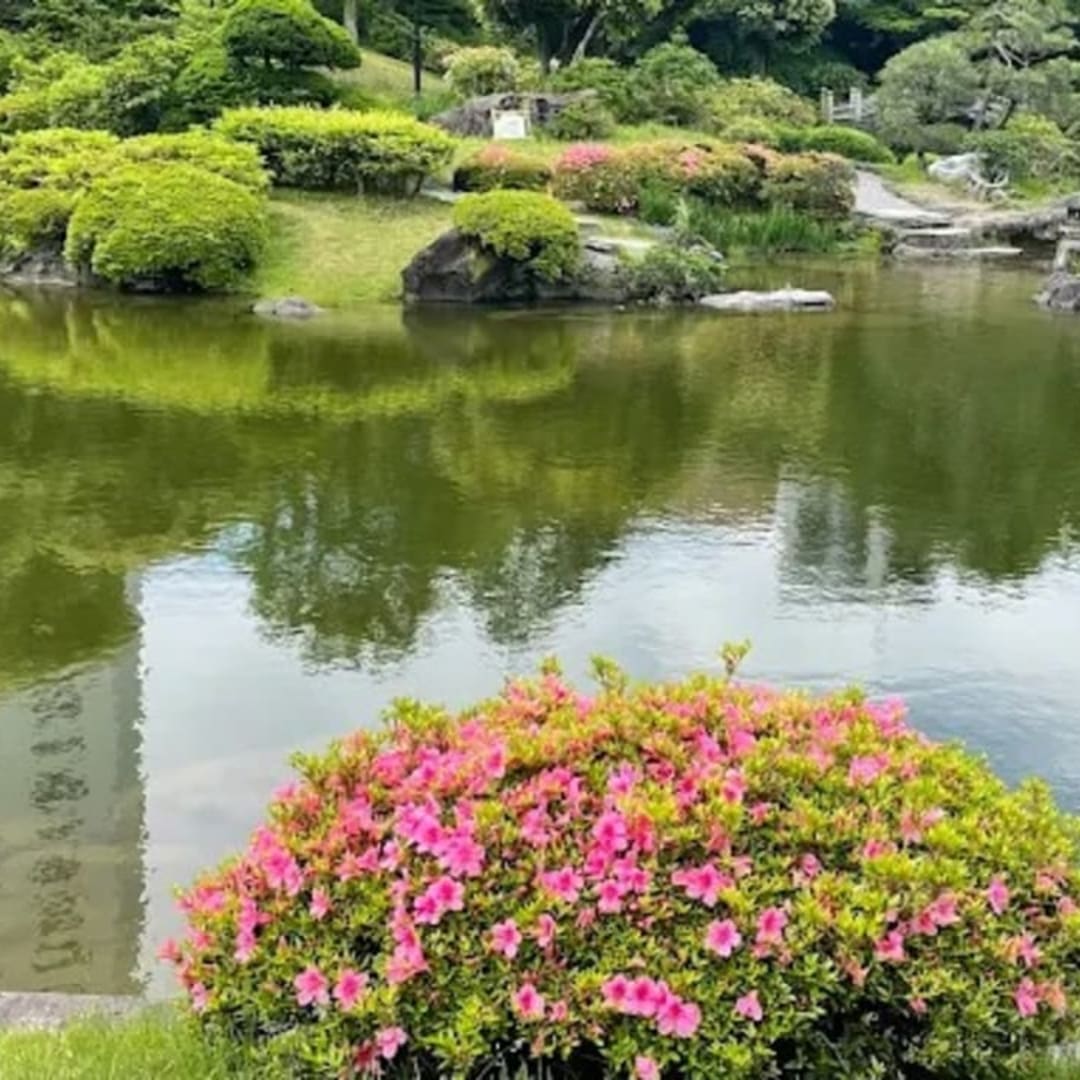
Begin at Ryogoku Station and dive into the world of Katsushika Hokusai, one of Japan’s most celebrated artists, at the Sumida Hokusai Museum. Then stroll across Umayabashi Bridge and relax in the tranquil beauty of the Former Yasuda Garden. Continue to Ryogoku Kokugikan, the iconic sumo stadium, and visit Honjo Matsuzaka-cho Park, a site linked to the famous samurai tale of the 47 Ronin. End your walk at Ryogokubashi Bridge with scenic views of the Sumida River. This route is perfect for travelers seeking authentic Japanese culture and history.

View route
4Walk3.3 km route

Sumida Edo Culture Walk

Local history or cultural heritage gives Sumida Edo Culture its stated theme. The mapped walking line presents that theme as a single route.

View route
5Walk7 km route

Ryogoku Hokusai and Edo Walk

From Ryogoku Station, visit Kyu Yasuda Garden and the Sumida Hokusai Museum before crossing toward Kinshi Park. Former residence sites, Oyokogawa River Terrace, Miroku-ji Temple, and Eko-in Temple trace the district's Edo connections.

View route
6Walk6.8 km route

Torigoe Shrines and Old Streets Walk

Shitaya Shrine leads to the Mokichi Saito monument and Torigoe Shrine before the route enters the old Asakusa-mitsuke area. Ichogaoka Hachiman, Suga, Sakaki, and Shinozuka Inari shrines continue toward Yanagi Bridge and Namako Wall.

View route
7Walk2.9 km route

Ryogoku Waterfront and Cultural Walk

Ryogoku Station provides the starting area for a walk beside the Sumida waterfront. Hulic Ryogoku River Center anchors the route's river-facing cultural setting.

View route
8Walk3.3 km route

Sumida River and Parks Walk

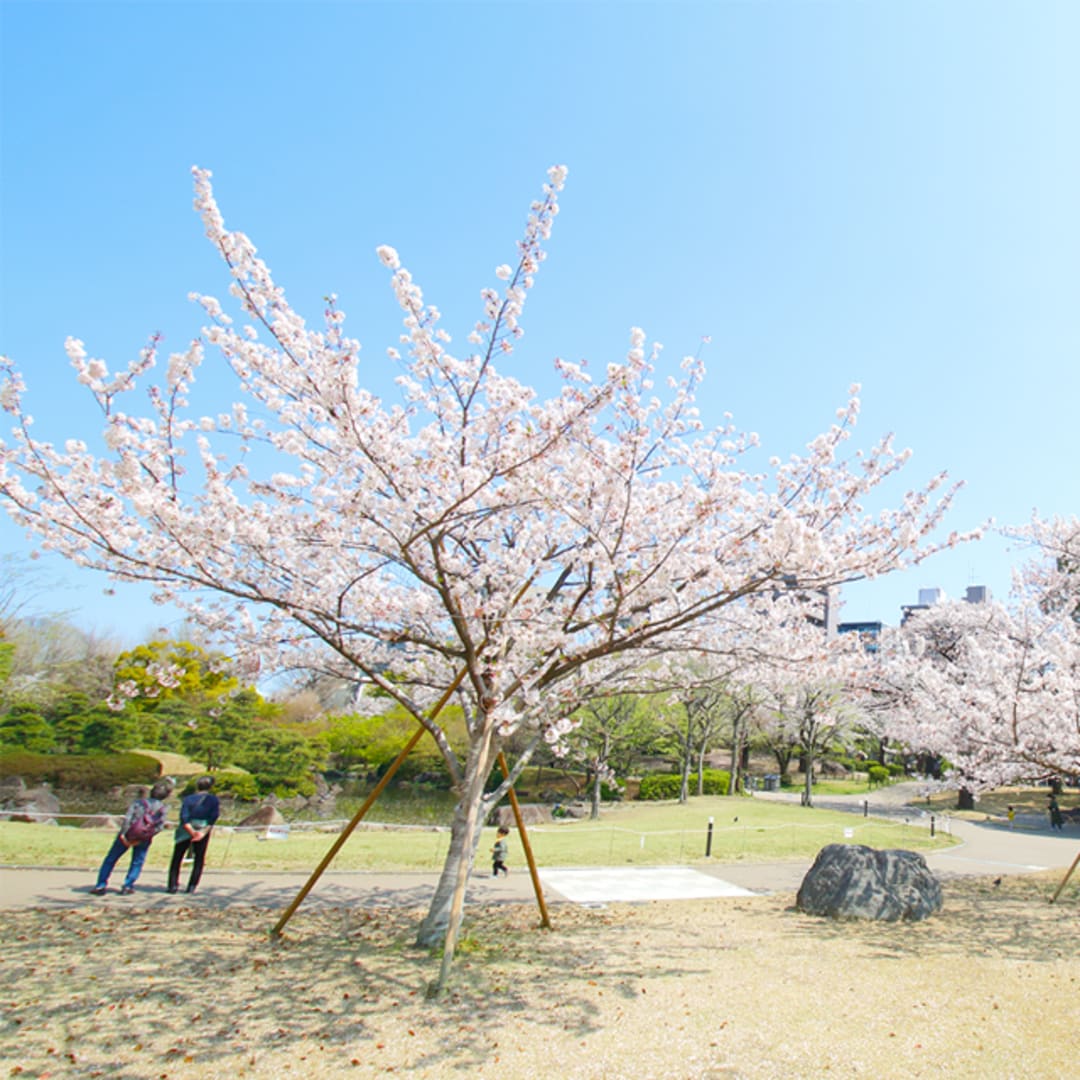
Ryogoku Station leads past Kokugikan and Kyu Yasuda Garden to the Sumidagawa River Terrace. Azuma Bridge, Genmorikawa Sluice Gate, Sumida Park, the Bokutei cherry trees, and Sakura Bridge continue the riverside sequence.

View route
9Walk6.5 km route

Katsu Kaishu Heritage Walk in Sumida

Explore places associated with Katsu Kaishu, including his birthplace in Ryogoku Park and a statue commemorating him. Nose Myokenzan Betsuin, Ushijima Shrine, and Kofukuji Temple extend the itinerary through Sumida, with Ryogoku and Hikifune stations also listed.

View route

Map

View on Map