1. Home
  2. Areas
  3. Tokyo

Tokyo

City area
Tokyo
OverviewExplore

Overview

At a glance

Area type
City area
View on Map

Areas inside this area

11 areas

Use the map to understand how this area is divided, then choose a more specific neighborhood.

Ueno & Yanesen
1Large travel area

Ueno & Yanesen

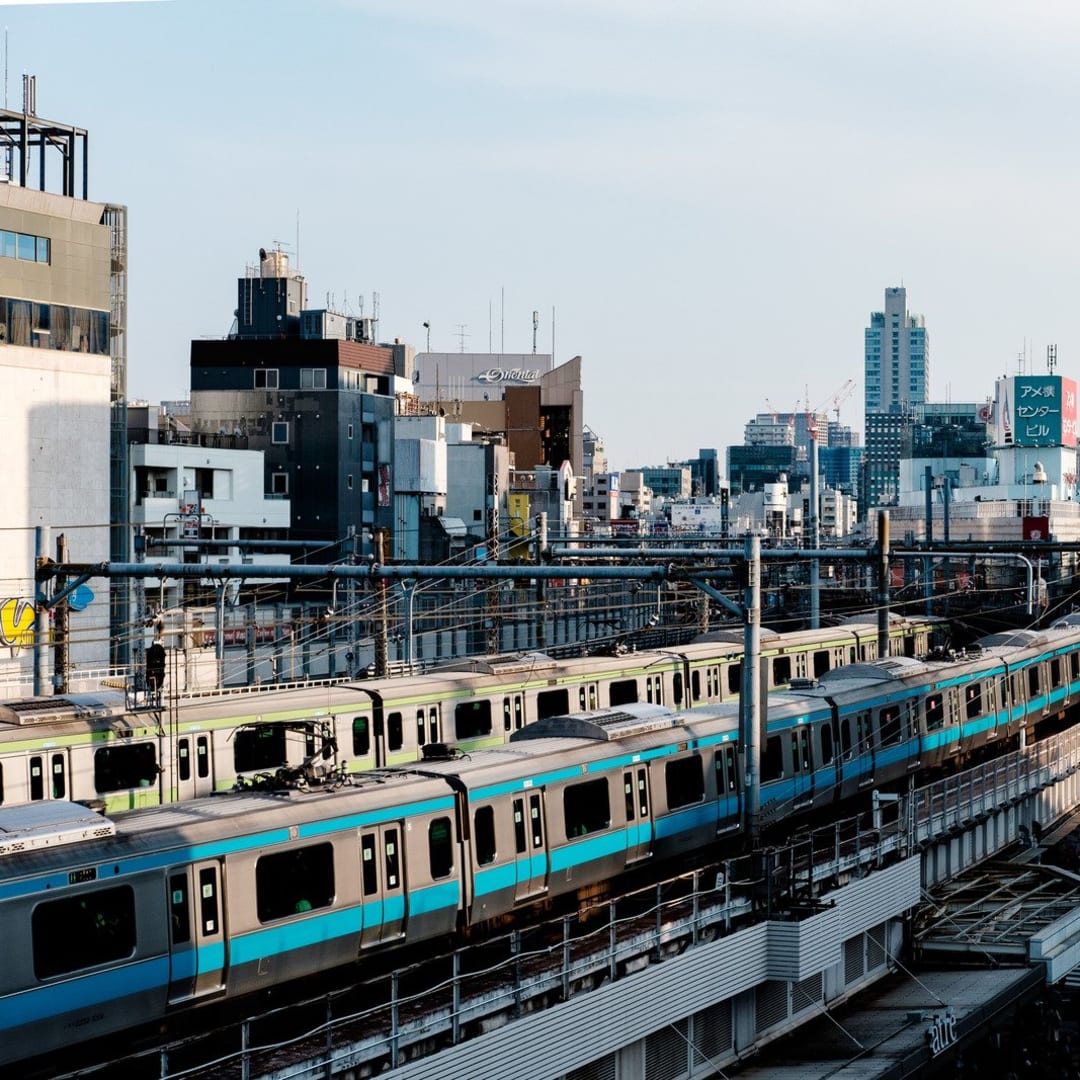
The Ueno and Yanesen area offers a superb combination for experiencing Tokyo's history, art, culture, and traditional Shitamachi (old downtown) atmosphere. Ueno is renowned for its vast Ueno Park, a huge green space that's not only one of Tokyo's prime cherry blossom viewing spots but also home to numerous cultural institutions. Within the park are some of Japan's top museums and galleries, including the Tokyo National Museum, National Science Museum, Tokyo Metropolitan Art Museum, and National Museum of Western Art, as well as the Ueno Zoo (famous for its pandas). Shinobazu Pond is another highlight within the park, known for its beautiful lotus flowers in summer. Outside the park, Ameya Yokocho (Ameyoko) is a vibrant market street bustling with vendors selling everything from seafood and dried goods to clothing and snacks at affordable prices, exuding a strong local market vibe. Yanesen, an affectionate nickname for the neighboring districts of Yanaka, Nezu, and Sendagi, miraculously preserves much of pre-war Tokyo's character, offering a quiet, nostalgic Shitamachi atmosphere. It features narrow streets, old wooden houses, numerous temples (like the cluster near Yanaka Cemetery), traditional craft shops, independent cafes, and galleries. The Yanaka Ginza shopping street is a lively local arcade where you can sample various neighborhood treats. Nezu Shrine is famous for its stunning azalea festival. Overall, this area provides a slower-paced, more human-scaled, and historically rich experience, different from Tokyo's modern metropolis image, popular among visitors keen on exploring traditional Japan and artistic culture.
View area
Marunouchi&Nihonbashi
2Large travel area

Marunouchi&Nihonbashi

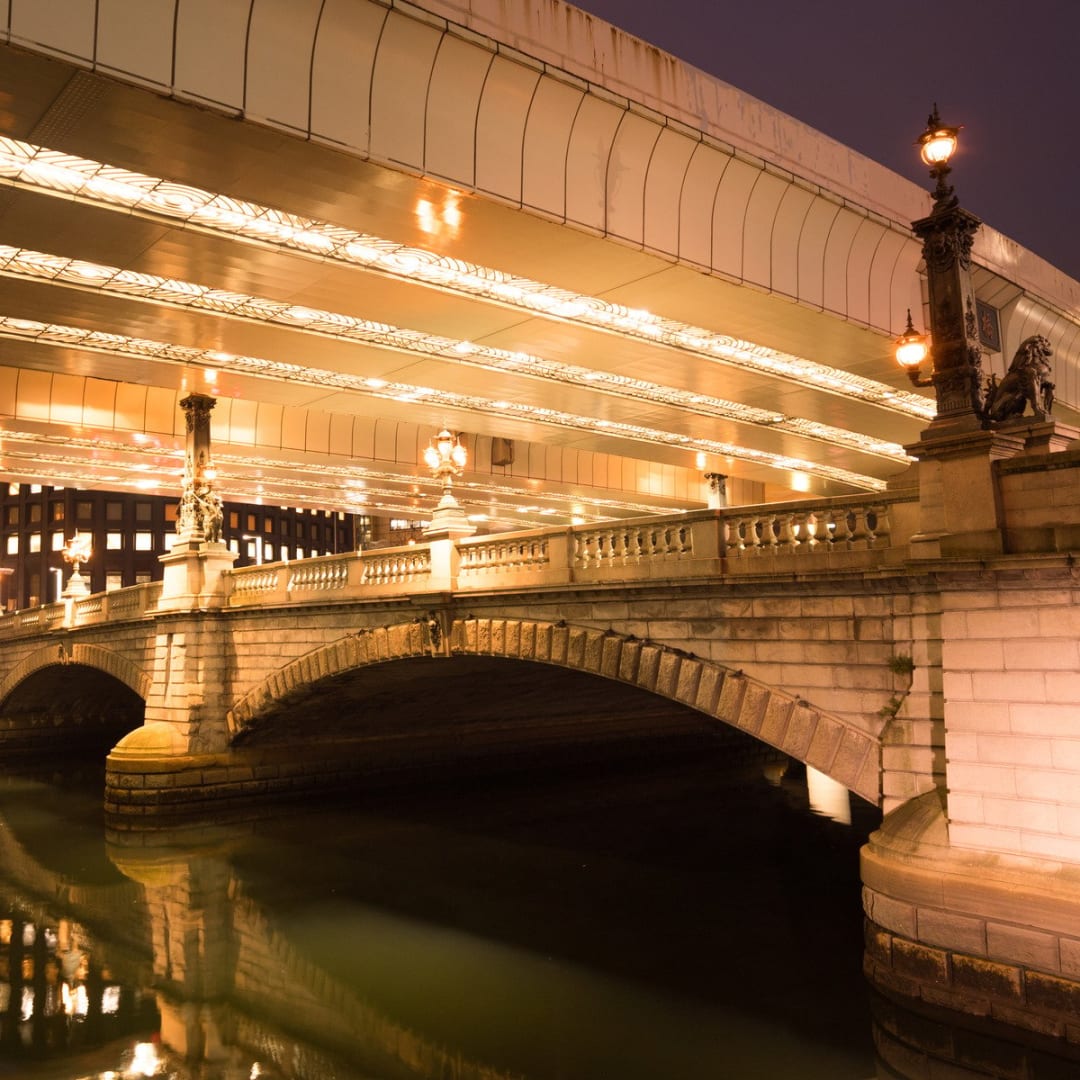
The Marunouchi and Nihonbashi areas represent Tokyo's primary financial and business hub, while also blending a rich historical heritage with modern sophistication. Marunouchi, located adjacent to Tokyo Station, is characterized by its wide avenues, modern skyscrapers, and high-end brand stores. It hosts the headquarters of many major Japanese corporations, bustling with suited business professionals during the day. However, the area is meticulously planned, featuring numerous stylish restaurants, cafes, and art installations, particularly along the tree-lined Marunouchi Naka-dori avenue, which offers an elegant shopping and dining environment. The red-brick facade of Tokyo Station (Marunouchi side) is itself a significant historical landmark. The Imperial Palace is also nearby, with its East Garden open to the public, providing an oasis in the city. Nihonbashi, conversely, possesses a stronger historical feel. It was the starting point of the five major roads (Gokaido) during the Edo period, and the Nihonbashi Bridge itself is historic, bearing the "Kilometer Zero" marker for Japan's national highway network. The area retains long-established department stores (like Mitsukoshi and Takashimaya) and traditional shops that have witnessed Tokyo's commercial evolution. In recent years, Nihonbashi has also undergone redevelopment, with new facilities like COREDO Muromachi integrating tradition and modernity, offering shopping, dining, and cultural experiences (cinemas, traditional craft shops). Overall, this district presents a mature, orderly, and refined atmosphere, suitable for business travelers, history enthusiasts, and those seeking upscale shopping and dining experiences.

View area
Roppongi &Around
3Large travel area

Roppongi &Around

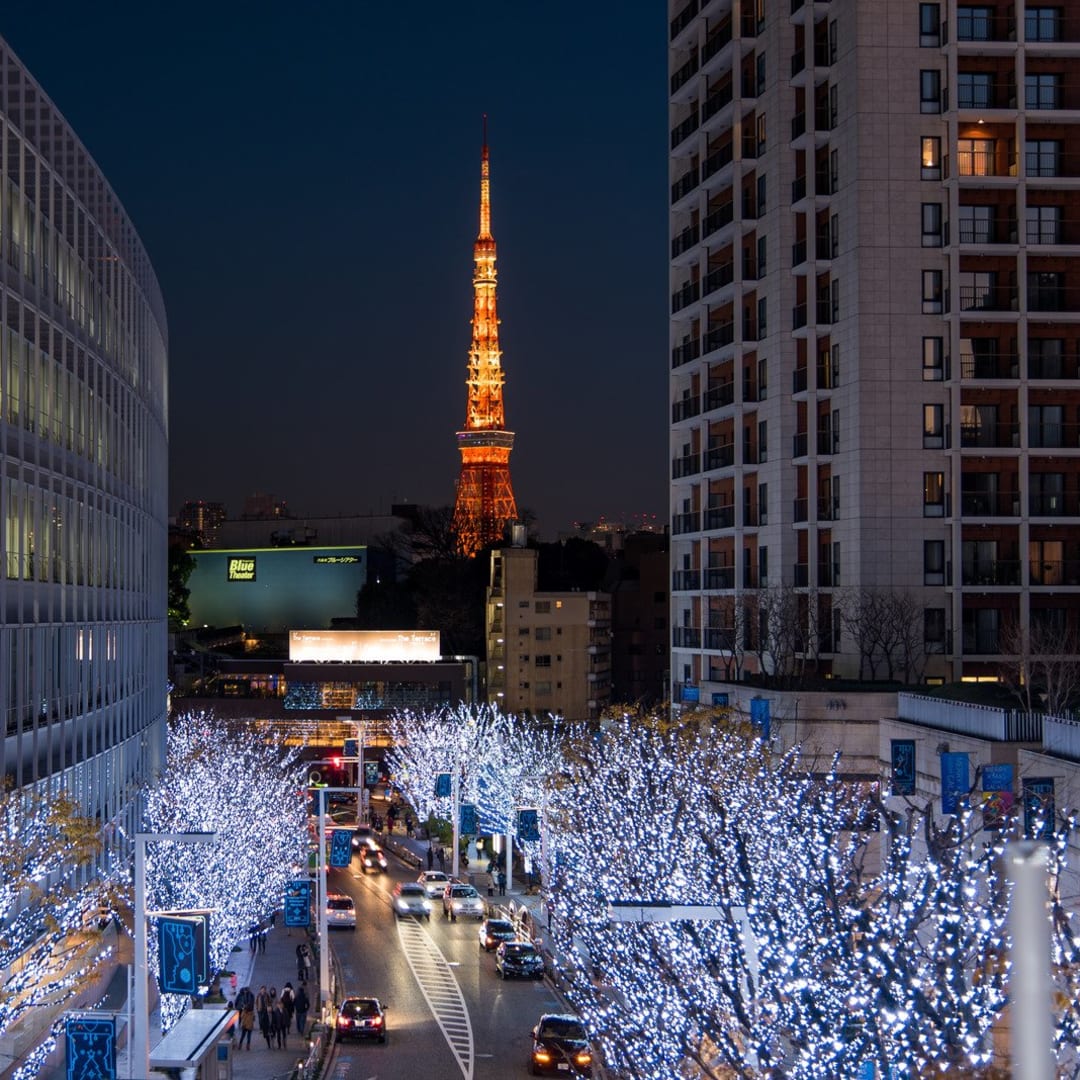
Roppongi and its surrounding area (including Azabu and Hiroo) constitute one of Tokyo's most international and dynamic districts, renowned for its bustling nightlife, high-end art and cultural facilities, and concentration of foreign embassies. Historically a nightlife hotspot due to its numerous clubs and bars, Roppongi retains this characteristic today, attracting both locals and international visitors. However, the area's landscape has been dramatically transformed by the development of two major complexes: Roppongi Hills and Tokyo Midtown. Roppongi Hills integrates offices, residences, shopping, dining, a hotel (Grand Hyatt Tokyo), a cinema complex, and the renowned Mori Art Museum and Tokyo City View observation deck, epitomizing modern urban living. Tokyo Midtown is known for its design focus and artistic ambiance, housing the Suntory Museum of Art, 21_21 DESIGN SIGHT, The Ritz-Carlton hotel, numerous boutiques and restaurants, and connects to Hinokicho Park, offering an urban oasis. The National Art Center, Tokyo is also located here. Nearby areas like Azabu-Juban retain some traditional shopping street charm while also featuring many stylish restaurants and international supermarkets, popular among expatriates. The Hiroo area is similarly known for its international community, trendy cafes, and shops. The Roppongi district blends international cosmopolitan allure, top-tier art experiences, and vibrant entertainment options, making it a representative area to feel Tokyo's global pulse and high-end trends.

View area
Harajuku &
Aoyama
4Large travel area

Harajuku & Aoyama

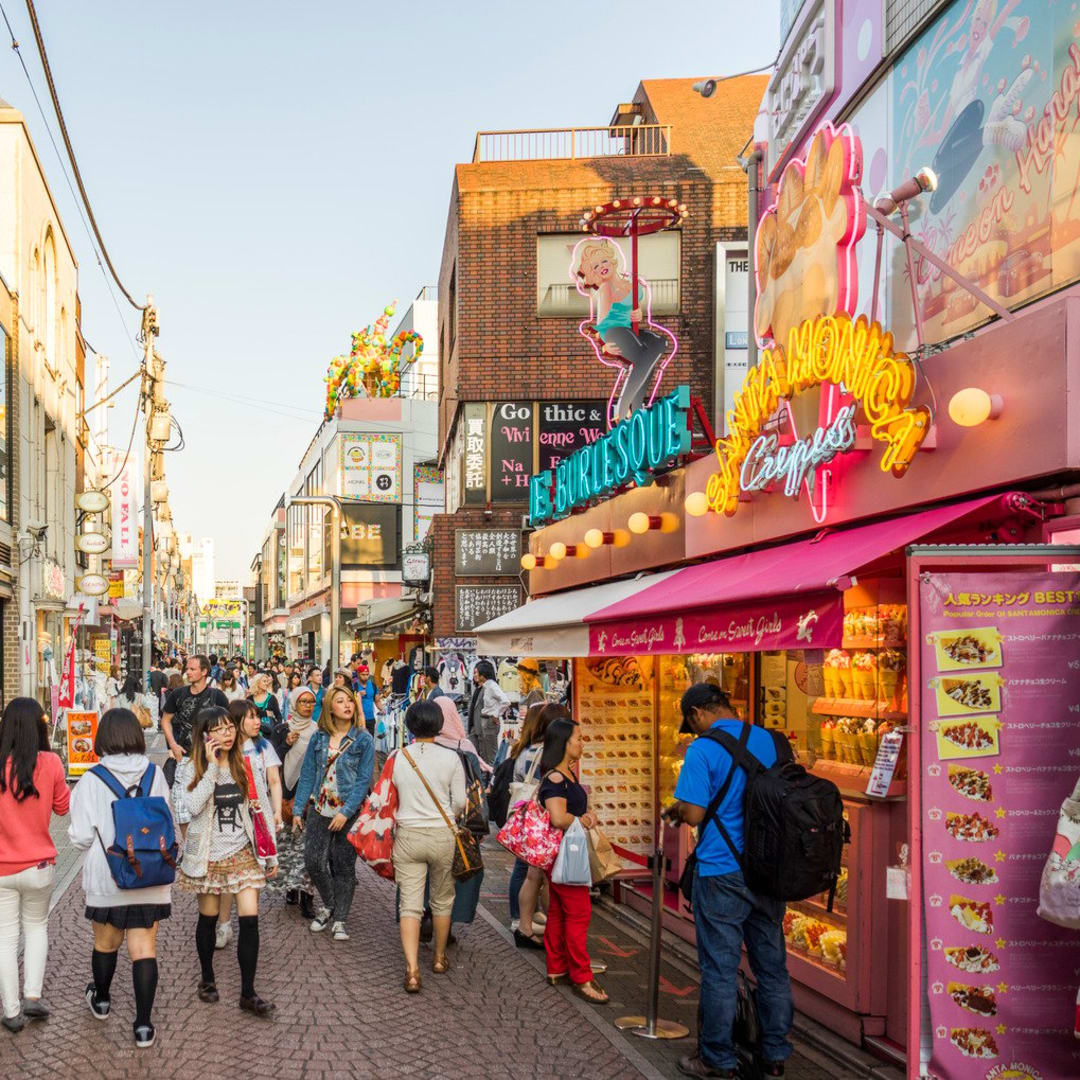
The Harajuku and Aoyama area represents two significant poles of Tokyo fashion, showcasing a transition from youthful street culture to mature, sophisticated style. The heart of Harajuku is Takeshita Street, a narrow, bustling pedestrian alley famous for its colorful, bold teen fashion, quirky snacks (like crepes), and inexpensive goods targeted at young people. It's the epicenter and showcase for Japan's "kawaii" (cute) culture and various street style tribes (like Lolita, Goth), attracting hordes of teenagers and tourists seeking a unique experience. In contrast to the vibrant chaos of Takeshita Street, Omotesando is a broad, tree-lined avenue often compared to Tokyo's Champs-Élysées. It hosts flagship stores of numerous international luxury brands, high-end designer boutiques, and chic cafes, with architecturally significant buildings. Omotesando represents a more mature, refined, and upscale fashion taste. Extending from Omotesando, the Aoyama area is even quieter and more elegant. It's dotted with top designer boutiques, select shops, art galleries, exclusive restaurants, and sophisticated cafes, offering an atmosphere of understated luxury. The Nezu Museum, known for its exquisite collection of Asian art and Japanese garden, is a cultural highlight in Aoyama. The youthful energy of Harajuku and the mature elegance of Aoyama coexist harmoniously within this district, making it an ideal place to explore the evolution of Tokyo fashion, from street trends to high-end design.

View area
Korakuen & Akihabara
5Large travel area

Korakuen & Akihabara

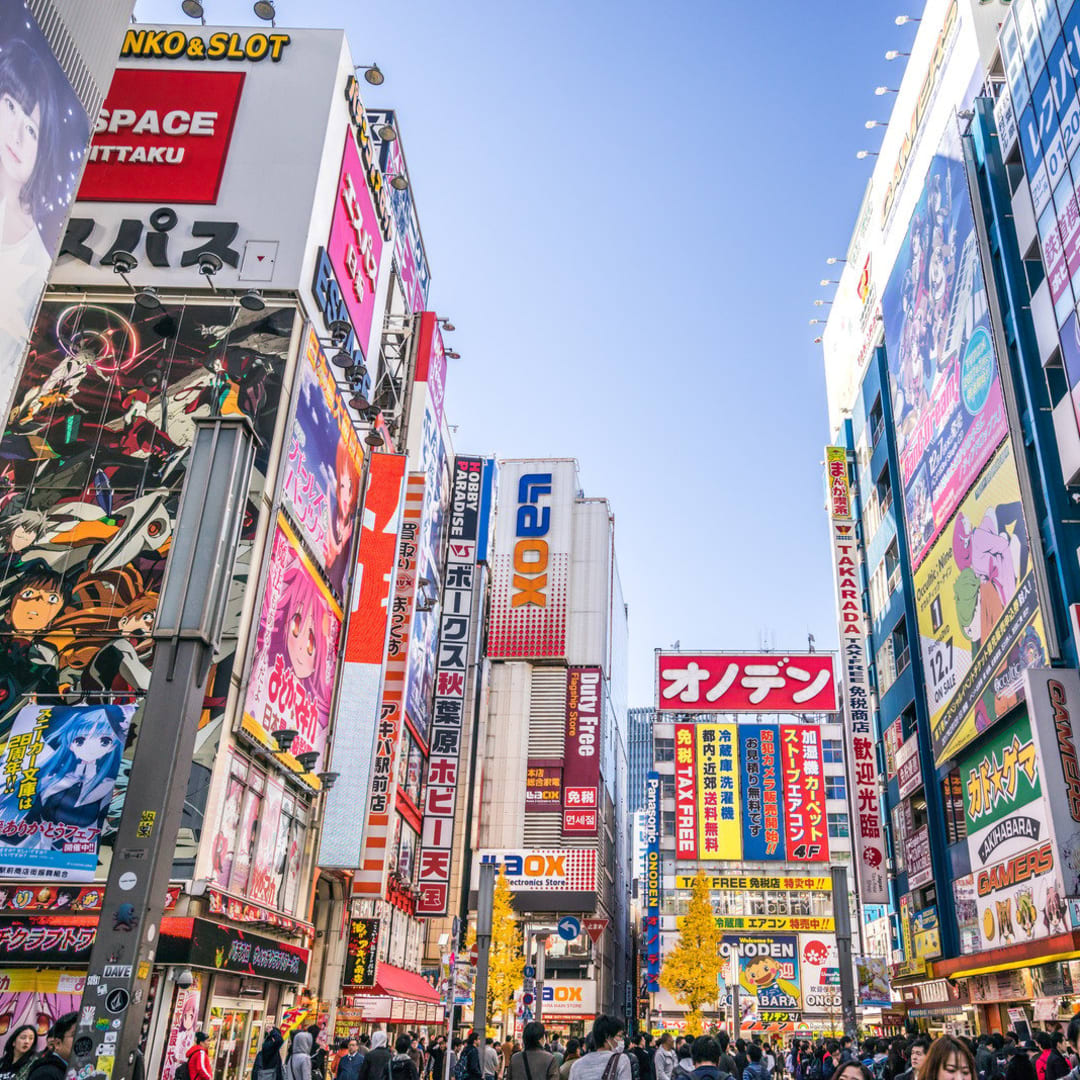
The Korakuen and Akihabara area comprises two adjacent yet distinctly different districts, together offering a unique mix of entertainment, traditional culture, and subculture. Korakuen is famous for Tokyo Dome City, a large integrated entertainment complex. It includes the Tokyo Dome stadium (home to the Yomiuri Giants baseball team and a venue for major concerts and events), an amusement park with thrilling rides like roller coasters, LaQua (a stylish center with spa facilities, shopping, and dining), hotels, and various shops and restaurants. Nearby, the Koishikawa Korakuen Garden is a beautiful and historic Japanese garden, offering a peaceful retreat in contrast to the modern Dome City complex. The area is also close to the University of Tokyo, adding a touch of academic atmosphere. In stark contrast, Akihabara, also known as "Electric Town," is world-renowned as the center for electronics, anime, manga, and gaming (ACG) culture. Its streets are lined with large electronics chain stores, countless smaller shops selling computer parts and gadgets, and stores catering specifically to anime and gaming fans, offering figurines, comics, software, merchandise, and more. Maid cafes are also a quintessential Akihabara experience. In recent years, Akihabara has also evolved into a significant hub for pop and idol culture. Despite their vast differences in style—from Korakuen's broad entertainment and traditional gardens to Akihabara's electronic and subculture buzz—this combined area provides diverse options and unique Tokyo experiences for visitors with varied interests.

View area
Shinjuku & Northwest Tokyo
6Large travel area

Shinjuku & Northwest Tokyo

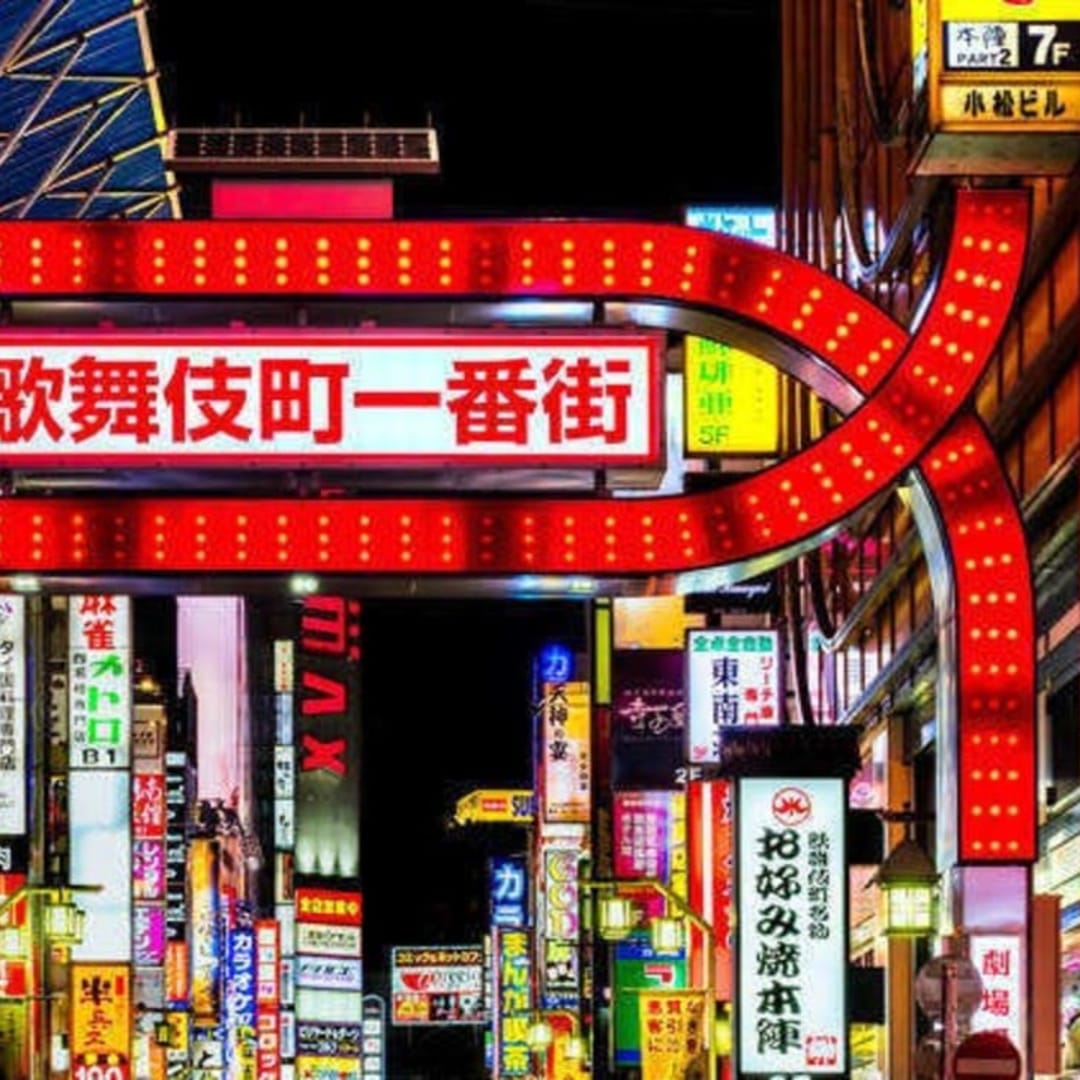
Shinjuku & Northwest Tokyo combine urban vibrancy with rich subcultures. From Shinjuku’s shopping and nightlife to Koenji and Nakano’s vintage shops and indie spirit, it’s where Tokyo shows its diverse personality.

View area
Asakusa &  Sumida River
7Large travel area

Asakusa & Sumida River

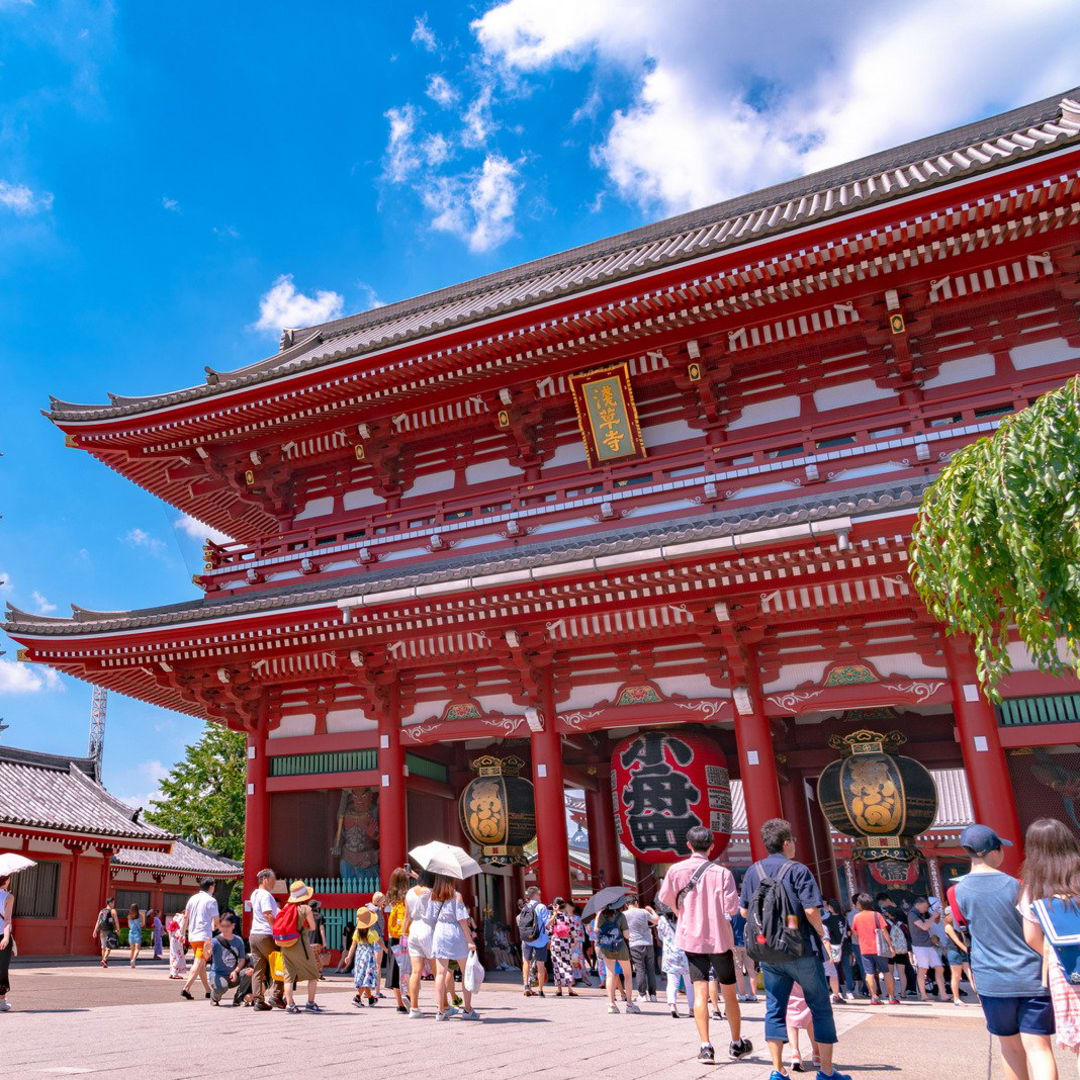
Asakusa is one of Tokyo's most iconic traditional districts (Shitamachi), steeped in the atmosphere of the Edo period. It offers a journey back in time, allowing visitors to experience the charm of old Tokyo. The heart of the area is undoubtedly Senso-ji Temple, Tokyo's oldest temple with a history spanning nearly 1400 years. Leading to the main hall is the Nakamise-dori shopping street, a bustling 250-meter path lined with stalls selling traditional snacks like Ningyo-yaki and Age-manju, alongside crafts such as fans and kimonos – perfect for souvenirs and local flavors. The Kaminarimon Gate, with its massive red lantern, serves as the symbol of Asakusa and a must-visit photo spot. Beyond Senso-ji, visitors can stroll along the Sumida River, enjoying the contrast between the modern Tokyo Skytree and the traditional townscape, or take a scenic river cruise via water bus. Nearby streets like Denboin-dori also retain a retro vibe, hiding many unique shops and restaurants. Experiencing a rickshaw ride through the old streets offers another unique way to explore. Asakusa attracts not only foreign tourists seeking traditional Japanese culture but is also a vital place for locals for prayers, leisure, and enjoying festivals like the Sanja Matsuri. This blend of tradition and modernity, history and vitality, makes Asakusa an essential stop for understanding Tokyo's rich cultural heritage.

View area
Ginza & Tsukiji
8Large travel area

Ginza & Tsukiji

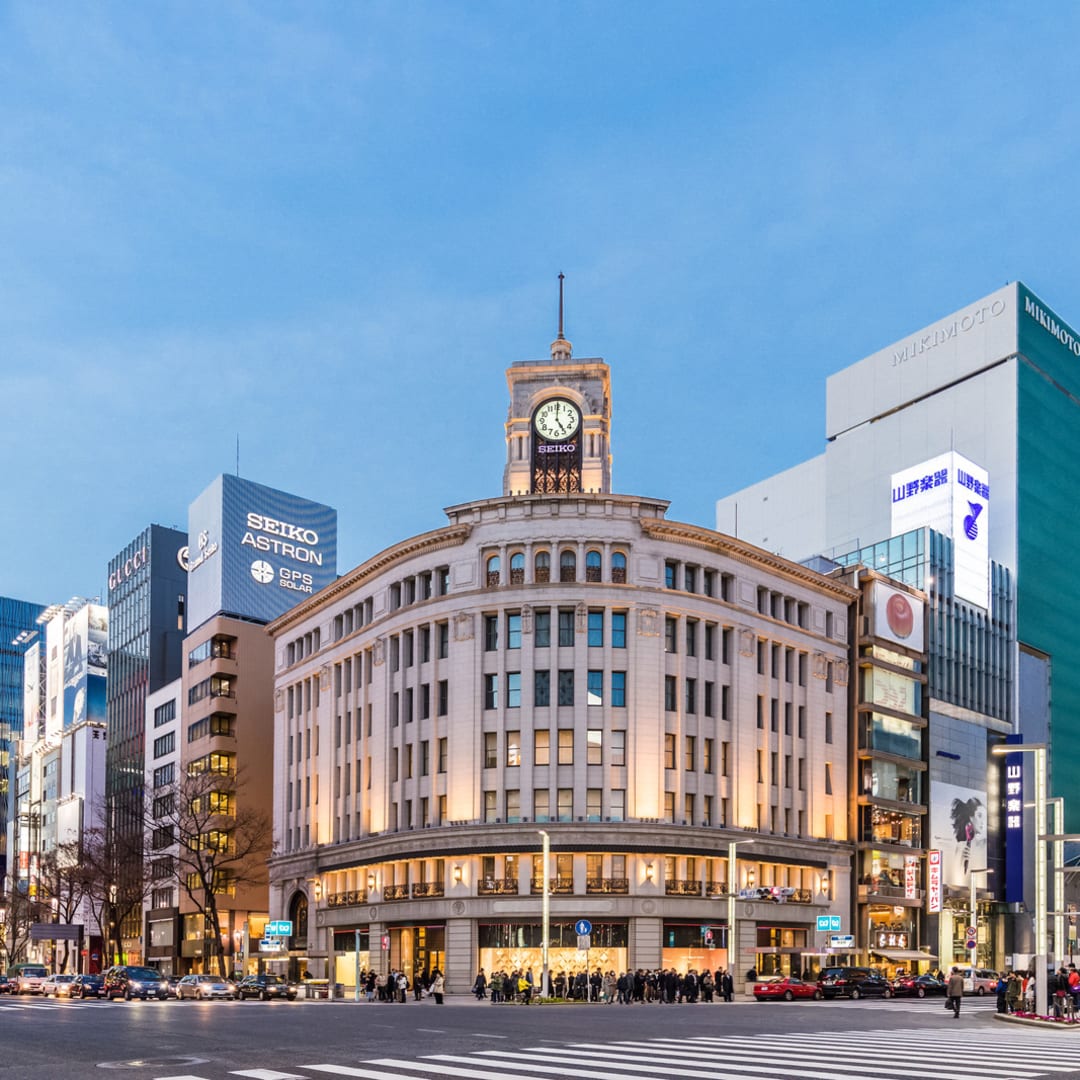
The Ginza and Tsukiji area presents a striking contrast between Tokyo's luxury and its vibrant market life. Ginza is Japan's most famous upscale shopping district, synonymous with wealth, elegance, and sophistication. It's lined with flagship stores of the world's top brands, long-established department stores (like Wako, Mitsukoshi, Matsuya), fine-dining restaurants, art galleries, and luxury hotels. The wide Chuo Dori avenue becomes a "pedestrian paradise" (Hokoten) on weekends, closed to traffic, allowing shoppers and visitors to stroll leisurely. Ginza is not only a shopping haven but also a gourmet destination, offering everything from Michelin-starred establishments to exclusive sushi counters tucked away in narrow alleys. The district glows with dazzling lights at night, possessing a distinct charm. Just a short walk from Ginza's opulent atmosphere lies the energetic Tsukiji. Although the famous Tsukiji Inner Market relocated to Toyosu in 2018, the Tsukiji Outer Market remains a paradise for food lovers. It retains a strong market vibe, with hundreds of small vendors and restaurants selling fresh seafood, sushi, seafood bowls (kaisendon), tamagoyaki (Japanese rolled omelets), as well as various kitchenware and dried goods. Visitors can savor the freshest, most authentic seafood breakfast or lunch here and experience the bustling, down-to-earth market atmosphere. The refined luxury of Ginza and the lively market energy of Tsukiji create an interesting juxtaposition, together forming a diverse and unmissable part of Tokyo.

View area
Odaiba & Tokyo Bay Area
9Large travel area

Odaiba & Tokyo Bay Area

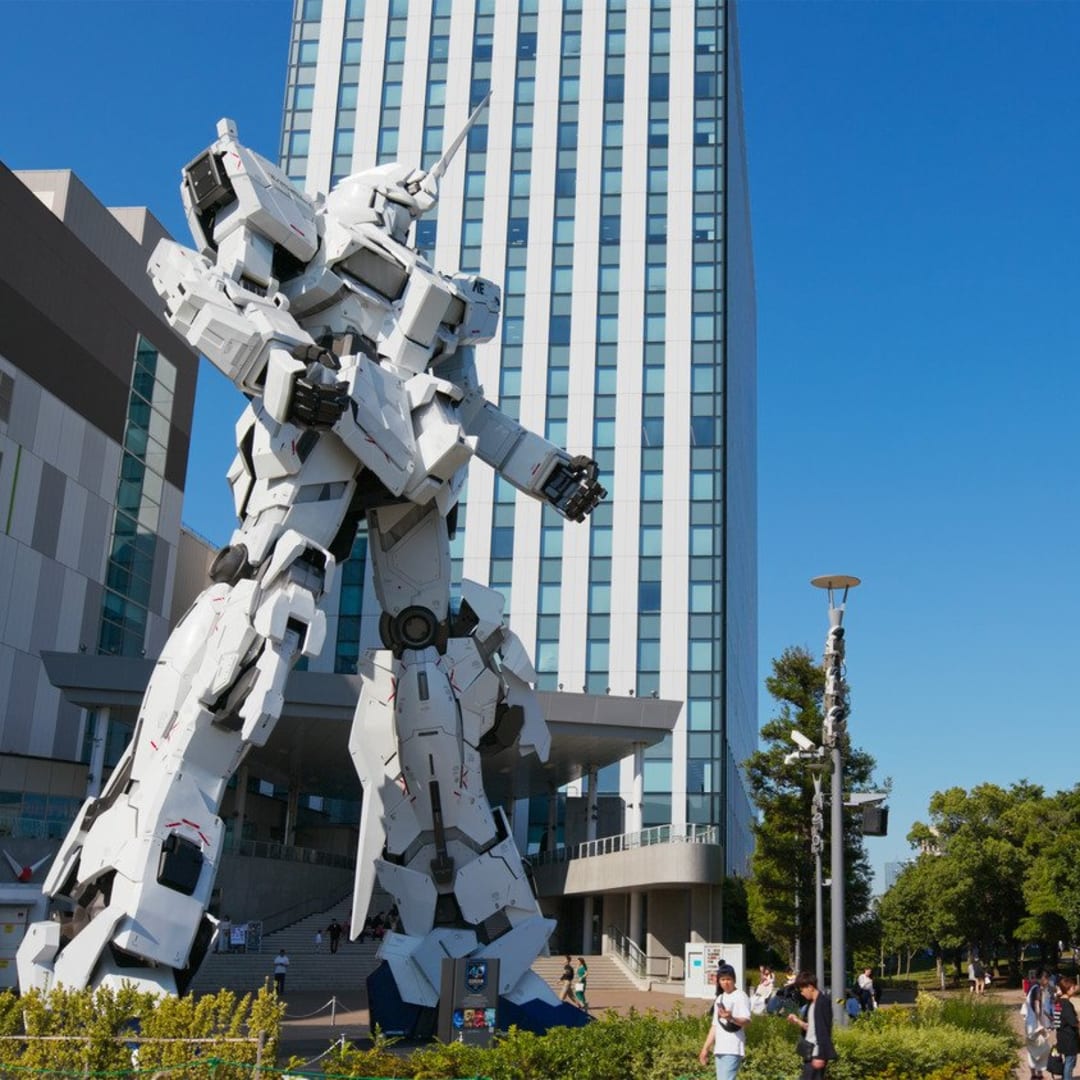
The Odaiba & Tokyo Bay Area is a large artificial island in Tokyo Bay, famous for its futuristic architecture, expansive bay views, and abundant entertainment facilities. It stands as a symbol of modern Tokyo, offering a starkly different experience compared to traditional areas like Asakusa. Access is easy via the Rainbow Bridge or the Yurikamome automated transit line. Odaiba boasts several large shopping malls, such as Aqua City Odaiba and DiverCity Tokyo Plaza (known for its giant Gundam statue), offering shopping, dining, and entertainment options. The spherical observation deck of the Fuji TV headquarters is also a prominent landmark. For entertainment, visitors can explore teamLab Borderless (an immersive digital art museum), LEGOLAND Discovery Center, Sony ExploraScience, or enjoy indoor amusement rides at Tokyo Joypolis. Odaiba Marine Park provides a beach and promenades, ideal for taking in spectacular views of the Rainbow Bridge and the Tokyo skyline, especially when illuminated at night. Additionally, Oedo Onsen Monogatari (an Edo-themed hot spring theme park, Note: the original facility has closed, but the concept of onsen and entertainment persists in the area) was a popular spot, and new facilities continue to emerge in the district. It's well-suited for families, couples, and tourists seeking modern urban entertainment, vibrant during the day and romantically charming at night.

View area
Shibuya & Setagaya
10Large travel area

Shibuya & Setagaya

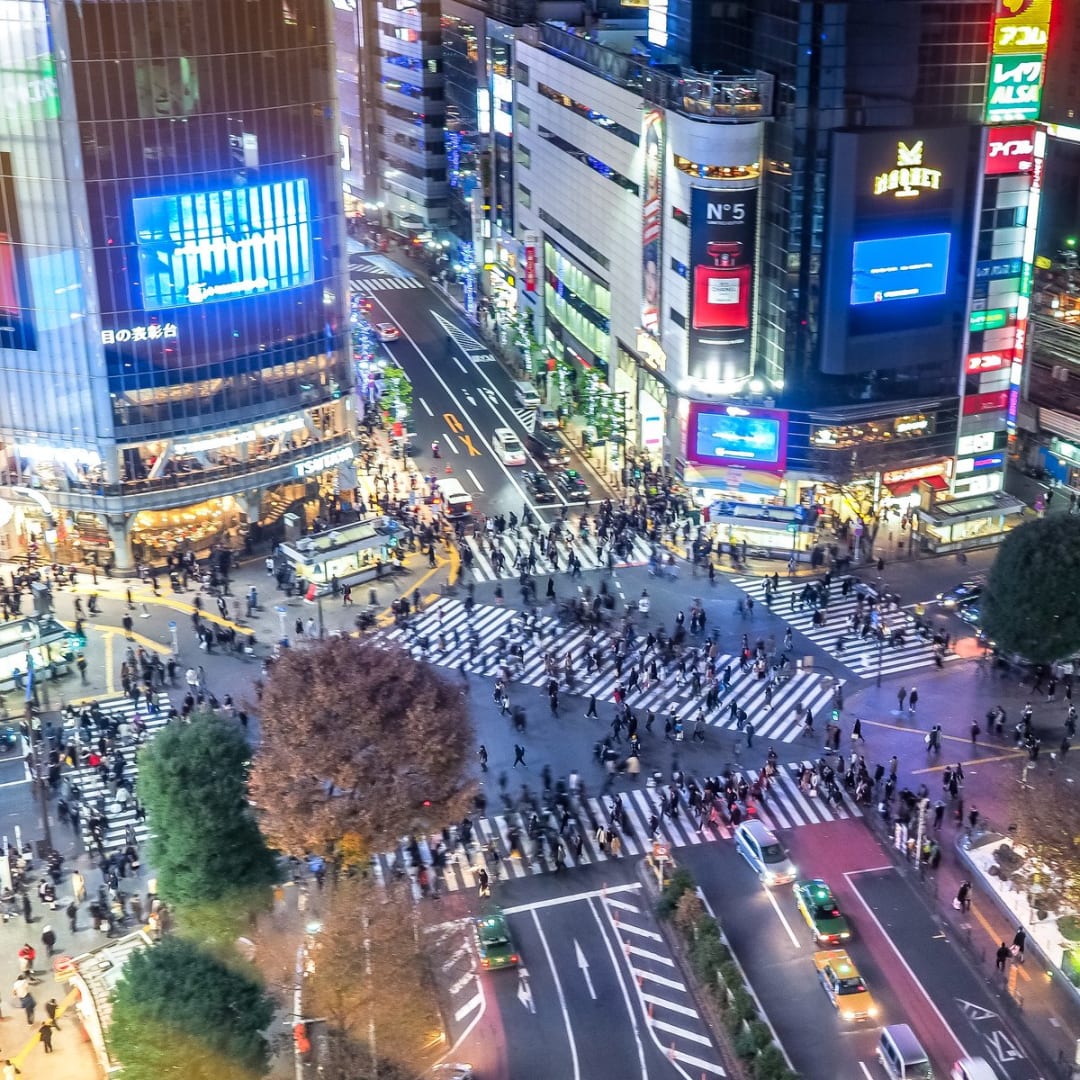
The Shibuya and Setagaya area blends the cutting edge of Tokyo's trendsetting culture with tranquil, comfortable residential zones. Shibuya is globally renowned as a center for fashion and youth culture, famed for its iconic Shibuya Scramble Crossing, where thousands of people cross simultaneously every day in a spectacular display. It's a shopping paradise, home to major department stores like Shibuya 109, Hikarie, and Parco, alongside countless trendy brand shops. The Hachiko statue is not just a famous meeting spot but also a symbol of loyalty. Shibuya's nightlife is vibrant, filled with bars, clubs, and live music venues. In recent years, the area has undergone significant redevelopment with new landmarks like Shibuya Stream and Shibuya Sky (offering incredible observation decks), making it even more modern and diverse. In contrast, the adjacent Setagaya Ward reveals a quieter, more residential side of Tokyo. As one of Tokyo's largest and most populous wards, it's known for its green parks (like Kinuta Park and Komazawa Olympic Park), pleasant residential streets, independent cafes, boutiques, and art galleries. Shimokitazawa (partly in Setagaya) attracts a young crowd with its vintage clothing stores, independent theaters, and laid-back vibe. Sangenjaya offers more local eateries and bars. This combined area offers both the exhilarating bustle of Shibuya and the relaxed community feel of Setagaya, catering to a wide range of visitors and residents.

View area
Ebisu, Meguro &Around
11Large travel area

Ebisu, Meguro &Around

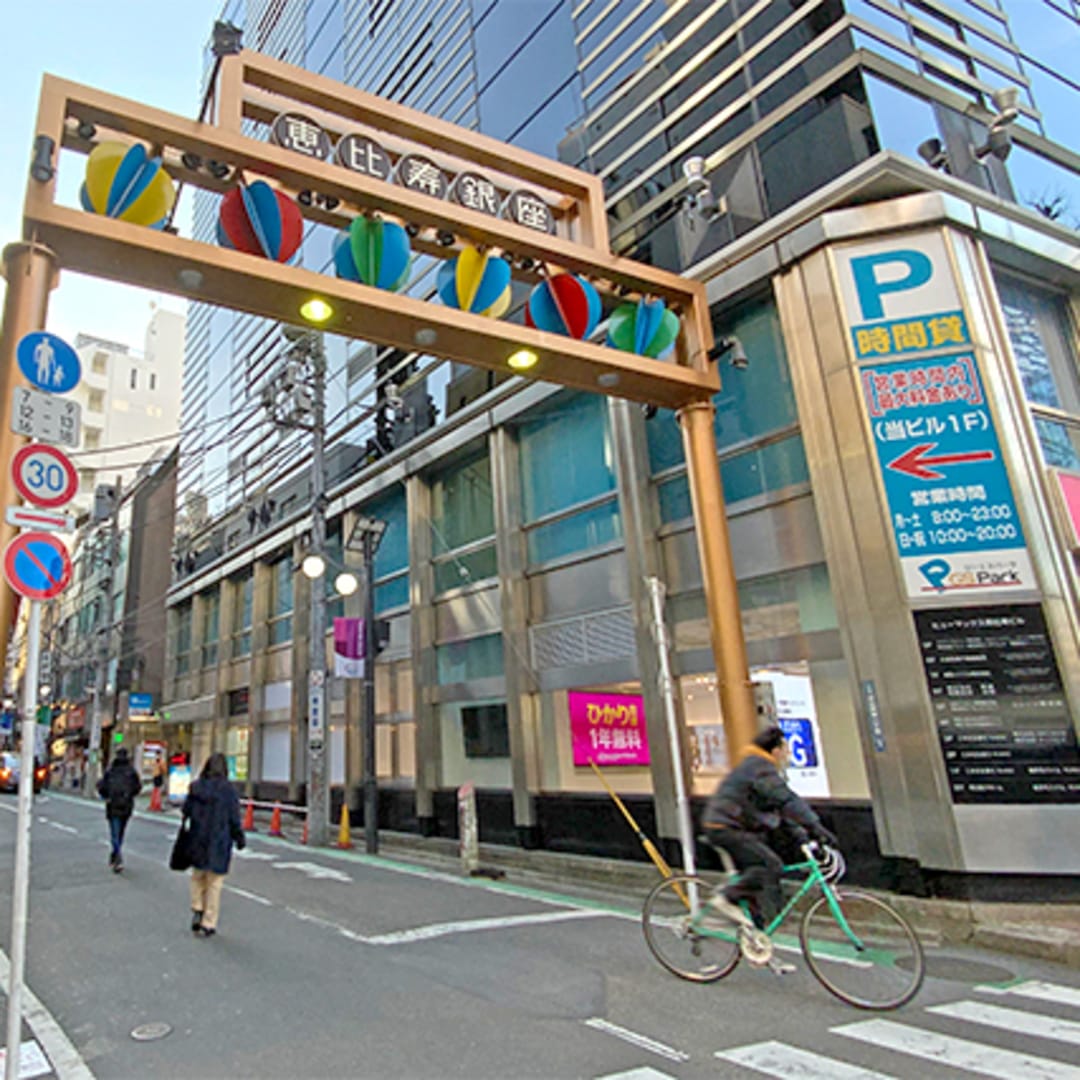
The Ebisu, Meguro, and surrounding areas, including Daikanyama and Shirokanedai, exude a mature, stylish, and somewhat sophisticated atmosphere. Less bustling than Shibuya, this district is renowned for its high-quality restaurants, chic cafes, boutiques, and art galleries. Ebisu originally developed around the Sapporo Beer brewery (now Yebisu Garden Place). Today, Yebisu Garden Place is a complex integrating shopping, dining, offices, residences, and cultural facilities like the Tokyo Photographic Art Museum, particularly charming with its European-style architecture and winter illuminations. The area around Ebisu Station is dotted with popular izakayas and bars, offering a relaxed and pleasant evening vibe. Meguro is famous for the cherry blossoms along the Meguro River, which become a stunning spectacle in spring, attracting large crowds. Outside of sakura season, the tree-lined riverbanks, interspersed with cafes and design shops, are perfect for strolls or relaxation. Meguro also hosts numerous interior design and antique furniture stores. Daikanyama is known for its understated luxury and fashion-forward sensibility, featuring many designer labels, upscale restaurants, and stylish complexes like the Daikanyama T-Site bookstore. Shirokanedai is even quieter and more upscale, nicknamed "Shirogane," hosting elegant cultural institutions like the Tokyo Metropolitan Teien Art Museum and green spaces. Overall, this area attracts those seeking quality living, fine dining, and a fashionable, artistic ambiance, offering a more grown-up and leisurely urban experience.

View area

Map

View on Map