Kagurazaka Alley and Temple Walk
Overview
From Kagurazaka Station, pass the Ushigome-mitsuke remains and follow Kagurazaka-dori. Bishamonten Zenkokuji Temple and Hyogo-yokocho lead onward toward Ichigaya Station.
Nearby routes
Other route ideas around the same area.

Walk1.9 km away
Bunkyo Literature and Eiseibunko Walk
Starting near the Sports Center, the route crosses Otsuka and Mejirodai on its way to the Eiseibunko museum. It continues past Edogawa Park and Kohinata toward Denzuin and the Koishikawa area.
Bunkyo City, Tokyo7.3 km route
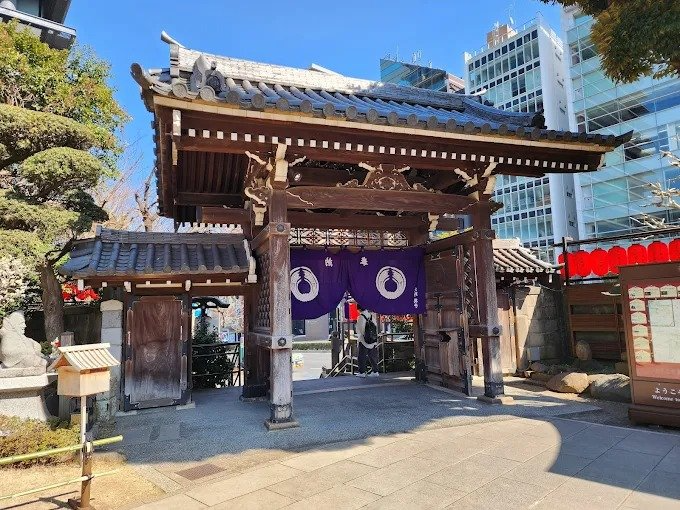
sanpo2.3 km away
Akasaka Course
A course where you can explore the charms of Akasaka, interwoven with the traditional and the contemporary.
Shinjuku City, Tokyo3.4 km route

Walk2.6 km away
Bunkyo Academic and Yushima Walk
From the General Gymnasium, the route crosses Hongo Yayoi and Hongo before reaching the Yushima-seido historic landmark. It continues past Yushima-seido and Yushimatenjin entrances toward the Motofuji Police Station area.
Bunkyo City, Tokyo5.4 km route
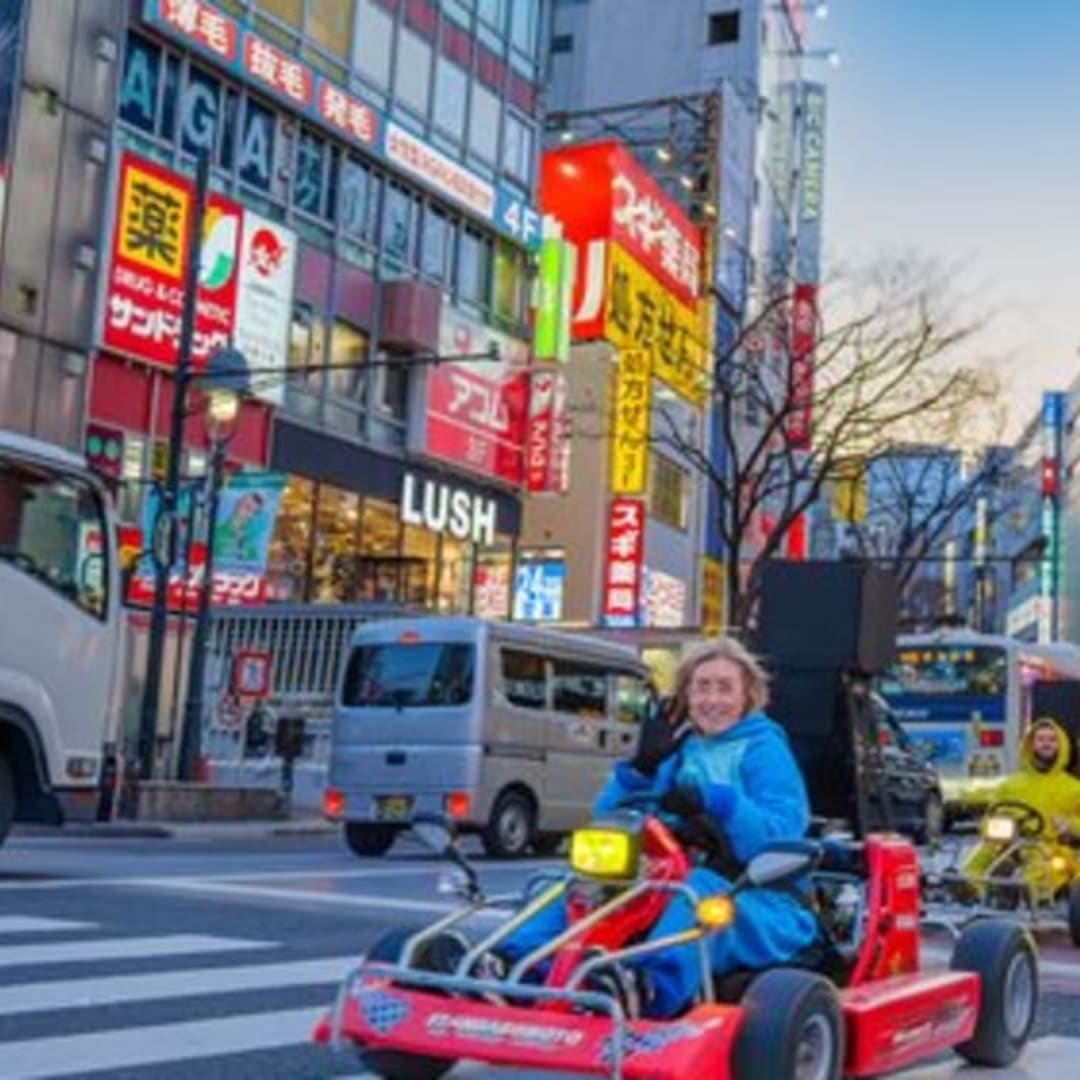
Go-kart3 km away
Go-Kart on Tokyo Streets
Street go-karting in Tokyo is a unique way for visitors to explore the city. Participants drive small, road-legal go-karts through real traffic, often passing landmarks like Tokyo Tower, Shibuya Crossing, or Rainbow Bridge. To join, you must be at least 18 years old and hold a valid driver’s license. Foreign visitors usually need both their home license and an International Driving Permit (IDP) under the 1949 Geneva Convention. Safety briefings are provided before the ride, and drivers must strictly follow Japanese traffic laws, including driving on the left and obeying all signals. The activity became famous when tourists dressed in costumes while driving, but due to copyright disputes, only original or generic outfits are now allowed. Today, several licensed companies—such as StreetKart and Monkey Kart—offer guided tours, with insurance and proper safety equipment included. Although exciting, this activity has also faced criticism from local residents for noise and safety concerns. Authorities have tightened rules to ensure compliance and safety on the roads. For travelers, it remains a memorable, adrenaline-filled way to see Tokyo from a different perspective, blending sightseeing with the thrill of driving through the city’s busy streets in a kart just inches off the ground.
Chiyoda City, Tokyo21 km route