Atago Shrine
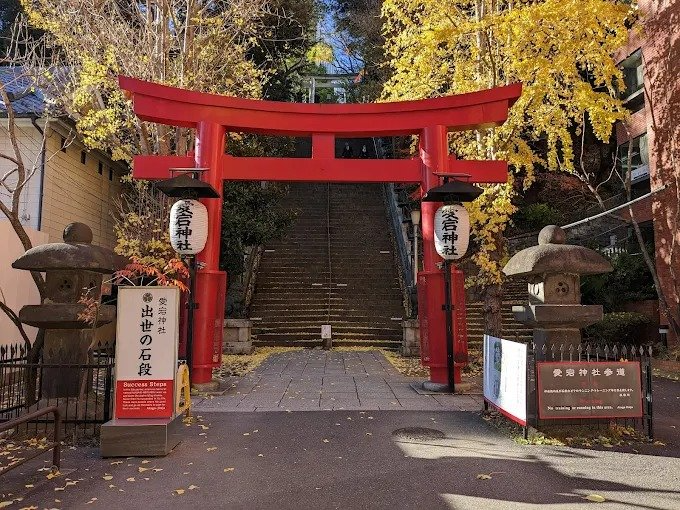
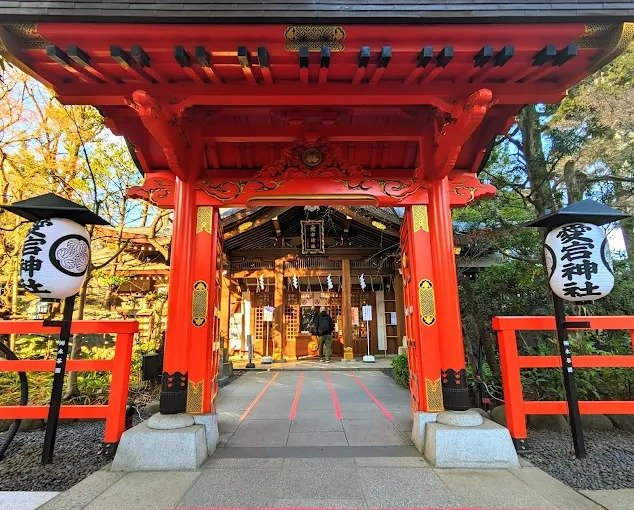
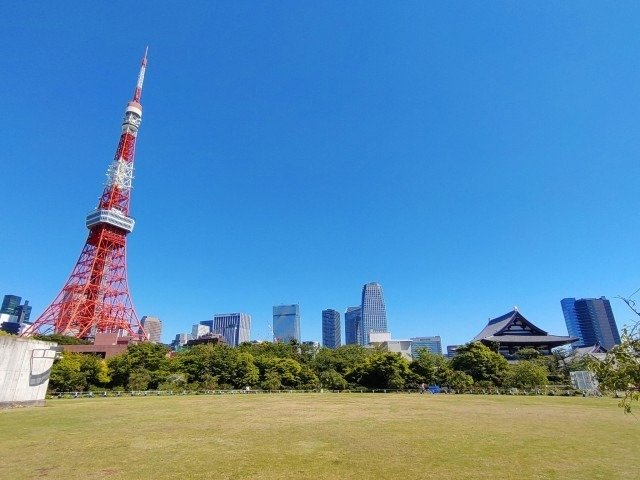
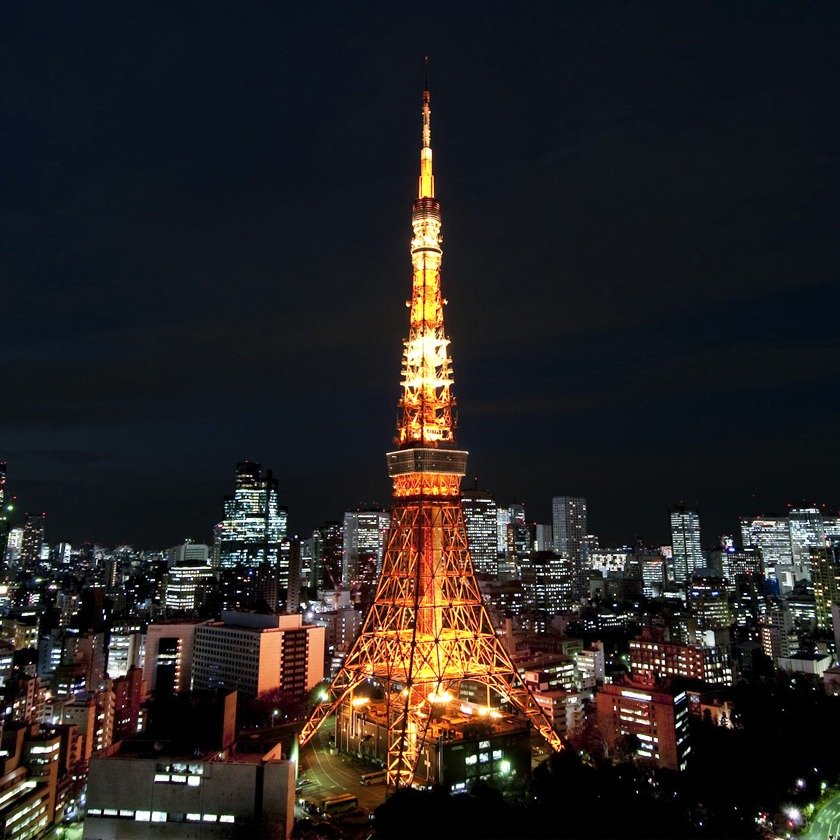
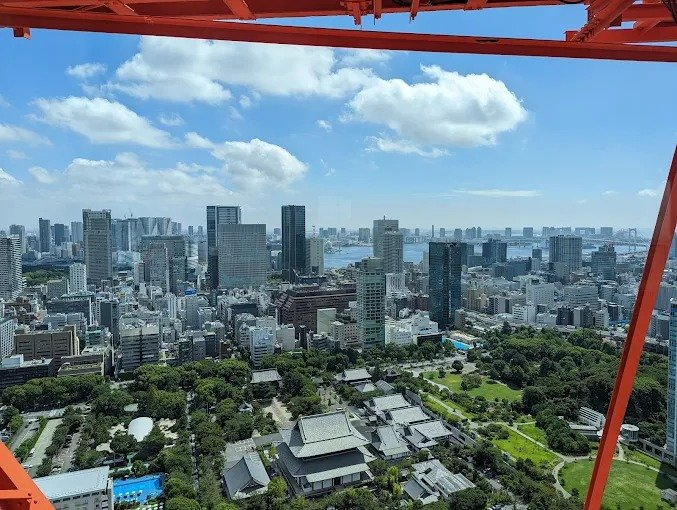
Atago Shrine is a shrine sitting atop the highest natural mountain in Tokyo's 23 wards. The steep "Stairway to Success" is a power spot known for the legend of a samurai who rode his horse up the steps.


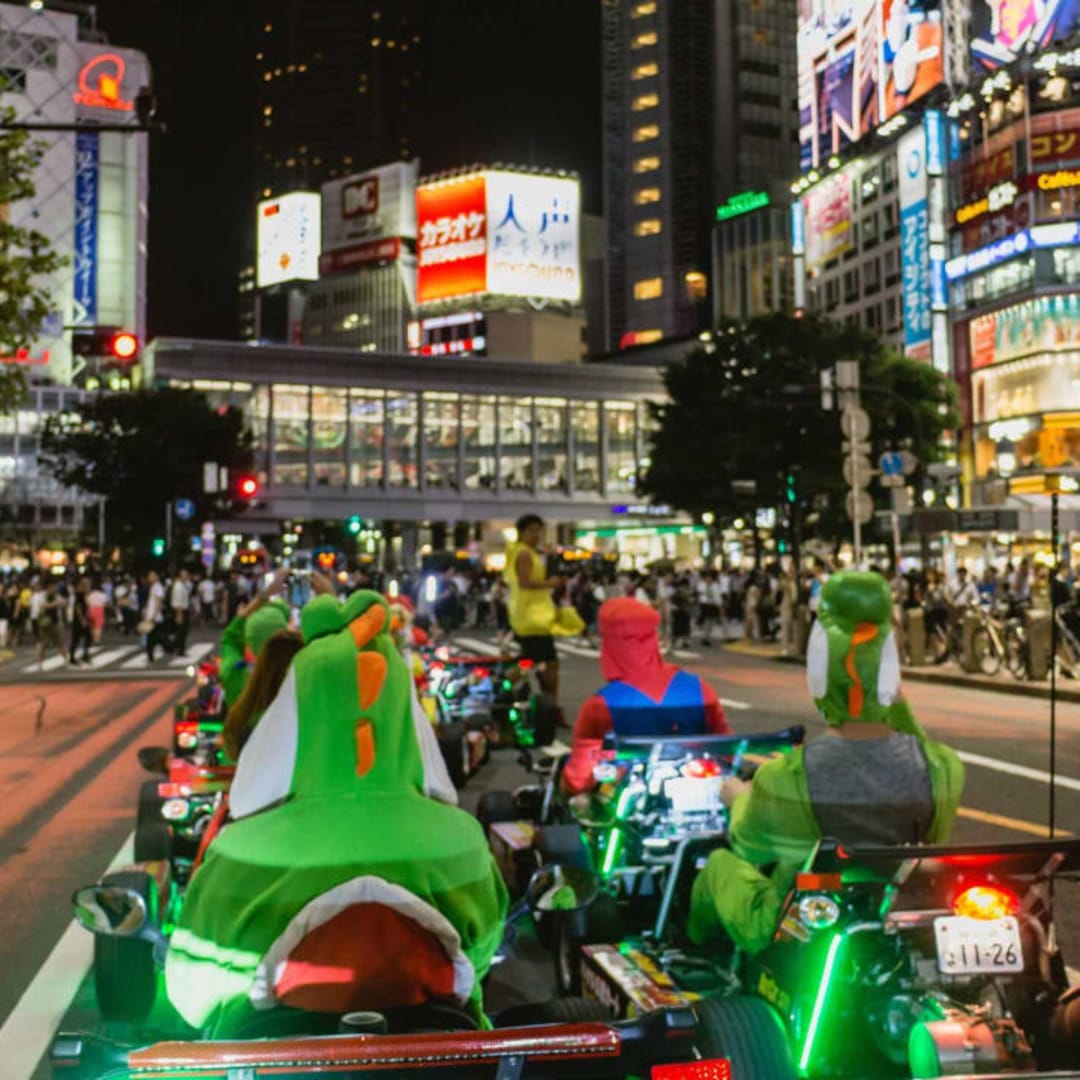
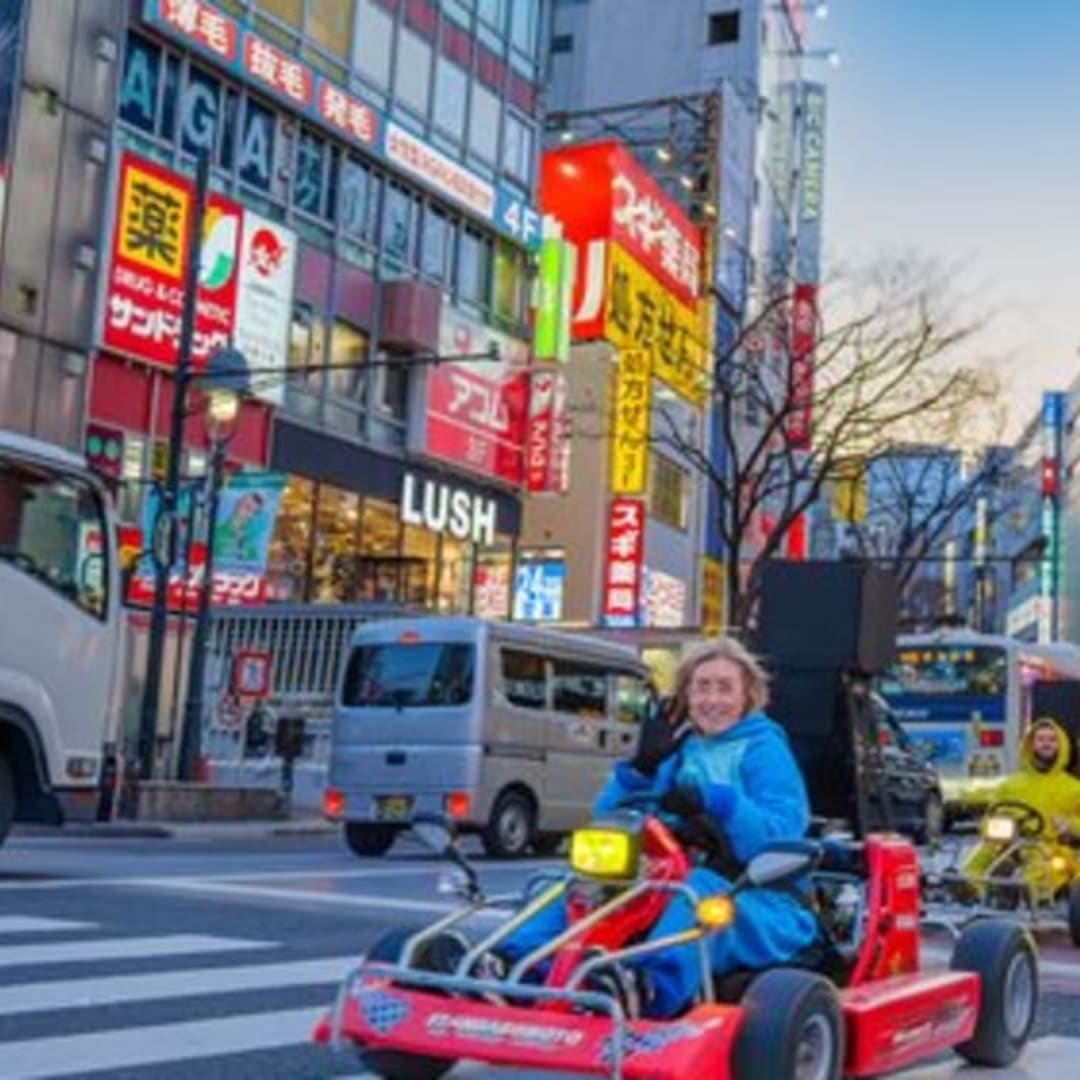
Street go-karting in Tokyo is a unique way for visitors to explore the city. Participants drive small, road-legal go-karts through real traffic, often passing landmarks like Tokyo Tower, Shibuya Crossing, or Rainbow Bridge. To join, you must be at least 18 years old and hold a valid driver’s license. Foreign visitors usually need both their home license and an International Driving Permit (IDP) under the 1949 Geneva Convention. Safety briefings are provided before the ride, and drivers must strictly follow Japanese traffic laws, including driving on the left and obeying all signals. The activity became famous when tourists dressed in costumes while driving, but due to copyright disputes, only original or generic outfits are now allowed. Today, several licensed companies—such as StreetKart and Monkey Kart—offer guided tours, with insurance and proper safety equipment included. Although exciting, this activity has also faced criticism from local residents for noise and safety concerns. Authorities have tightened rules to ensure compliance and safety on the roads. For travelers, it remains a memorable, adrenaline-filled way to see Tokyo from a different perspective, blending sightseeing with the thrill of driving through the city’s busy streets in a kart just inches off the ground.
Route-ordered classic spots close to the path.
Other route ideas around the same area.

This is Japan's largest shopping street specializing in cooking tools, popular among professional chefs, restaurant owners, and tourists alike. With around 170 shops, it offers a wide range of items, including knives, pots, tableware, signage, and food replicas. It is also a place to experience traditional Japanese craftsmanship and artisanal skills.

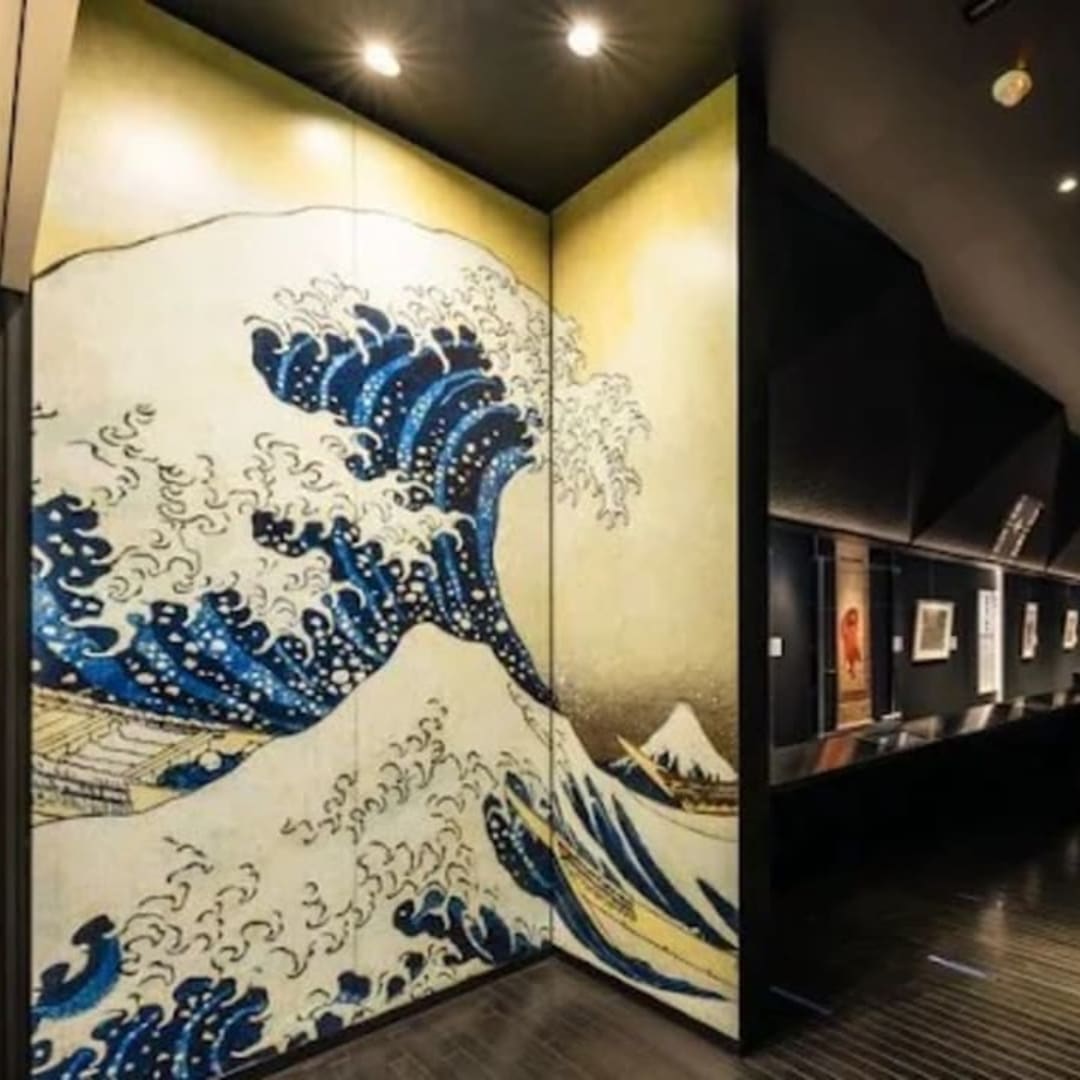
Begin at Ryogoku Station and dive into the world of Katsushika Hokusai, one of Japan’s most celebrated artists, at the Sumida Hokusai Museum. Then stroll across Umayabashi Bridge and relax in the tranquil beauty of the Former Yasuda Garden. Continue to Ryogoku Kokugikan, the iconic sumo stadium, and visit Honjo Matsuzaka-cho Park, a site linked to the famous samurai tale of the 47 Ronin. End your walk at Ryogokubashi Bridge with scenic views of the Sumida River. This route is perfect for travelers seeking authentic Japanese culture and history.

This immersive walking tour from Ryogoku Station takes you through some of Tokyo’s most fascinating cultural gems: the Edo-Tokyo Museum, the Sumida Hokusai Museum, and specialty museums dedicated to Japanese swords and sumo wrestling. You’ll also explore tranquil gardens and historical temples like Ekō-in, known as the birthplace of sumo tournaments. Perfect for travelers interested in traditional Japanese culture, samurai history, and Edo-period artistry, all within walking distance in the heart of old Tokyo.

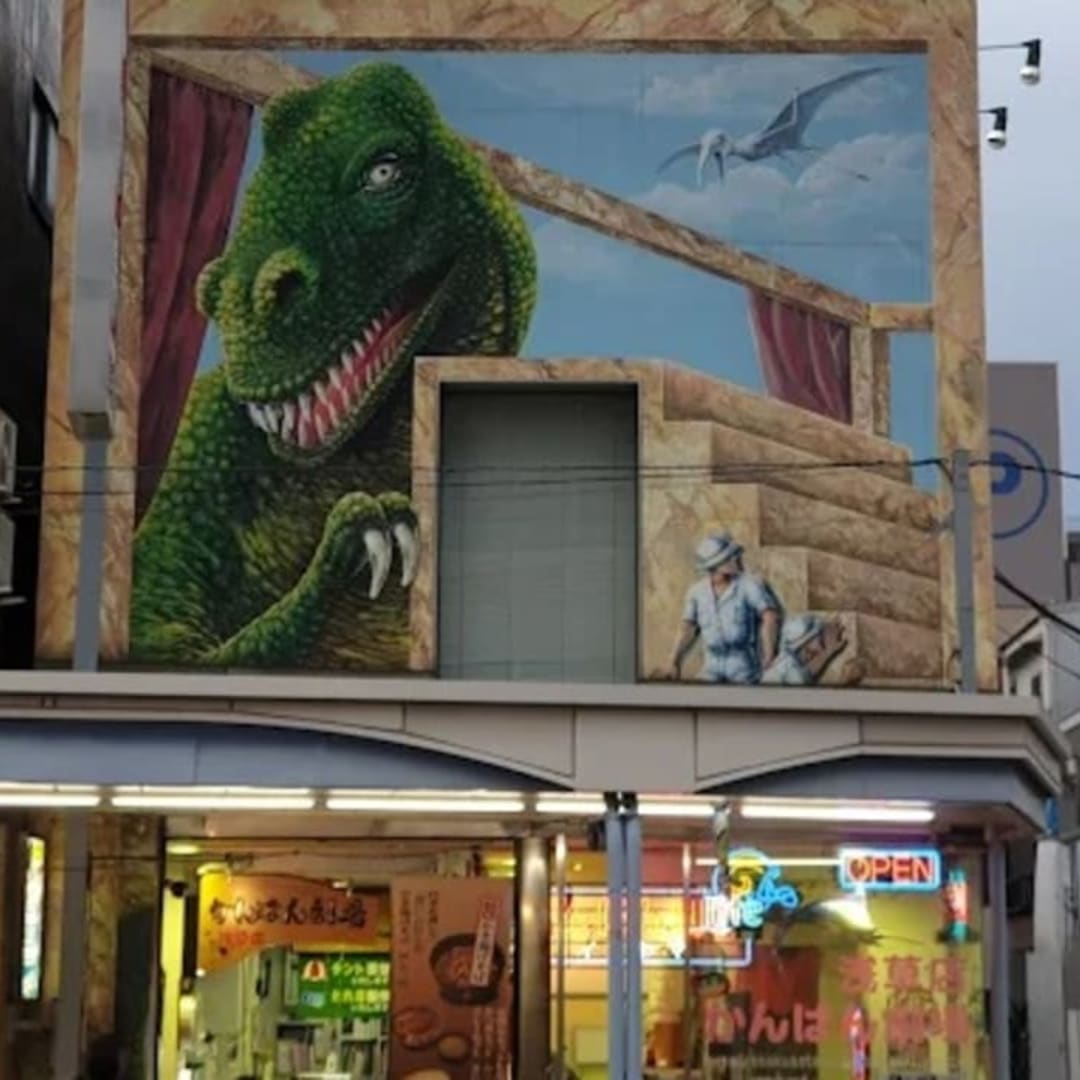
Located on the west side of Senso-ji Temple, Asakusa Orange Street is a post-war shopping street that once flourished as a hub of entertainment lined with movie theaters. Today, it features a nostalgic retro atmosphere with a mix of clothing shops, cafés, general stores, and local eateries. Compared to the busier main streets of Asakusa, this quieter, lesser-known street offers a more local and laid-back experience, making it a favorite among those looking to explore beyond the usual tourist spots.