Furusato Culture Walk
Overview
Local history or cultural heritage gives Furusato Culture its stated theme. The mapped walking line presents that theme as a single route.
Nearby routes
Other route ideas around the same area.
Go-kart1.6 km away
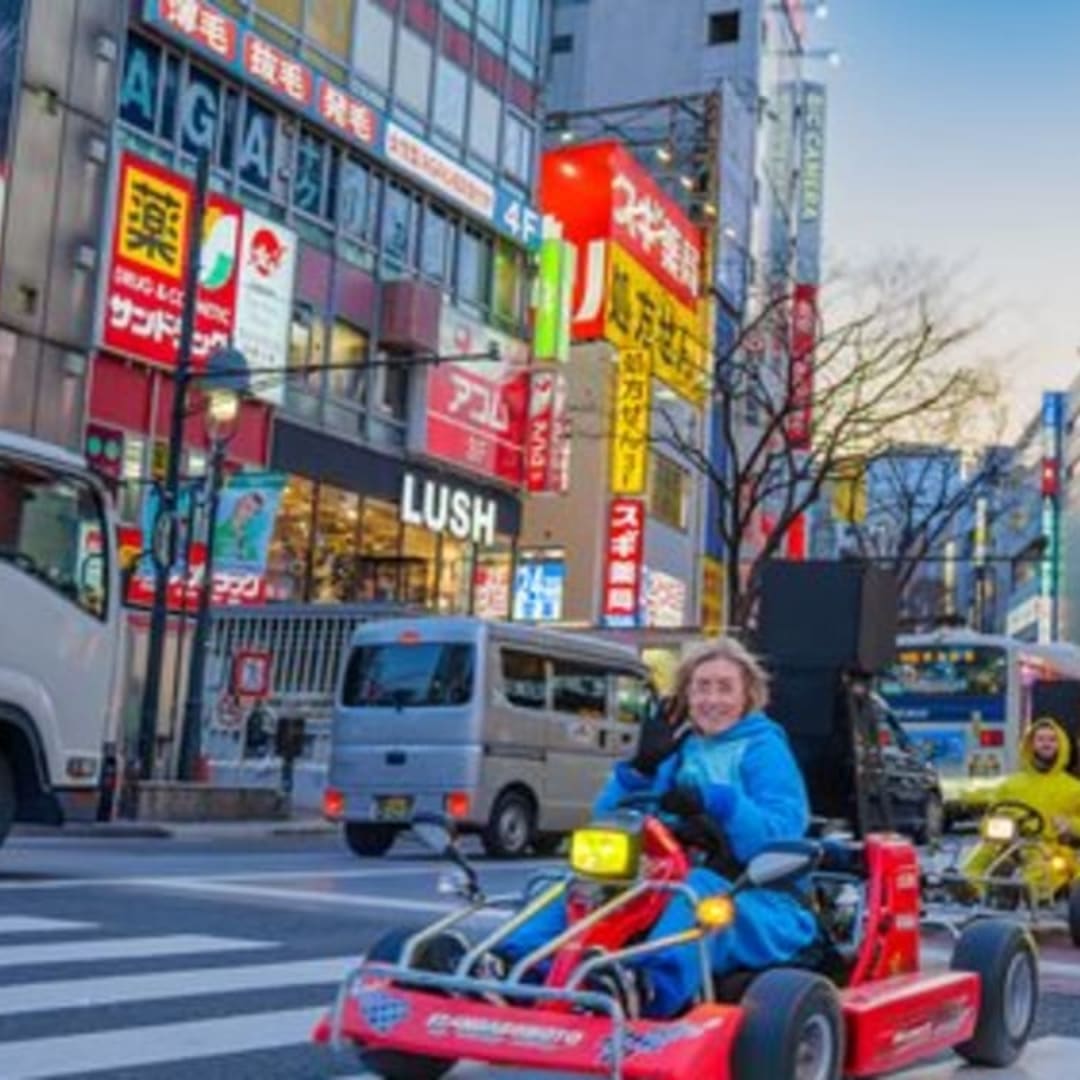
Go-Kart on Tokyo Streets
Street go-karting in Tokyo is a unique way for visitors to explore the city. Participants drive small, road-legal go-karts through real traffic, often passing landmarks like Tokyo Tower, Shibuya Crossing, or Rainbow Bridge. To join, you must be at least 18 years old and hold a valid driver’s license. Foreign visitors usually need both their home license and an International Driving Permit (IDP) under the 1949 Geneva Convention. Safety briefings are provided before the ride, and drivers must strictly follow Japanese traffic laws, including driving on the left and obeying all signals. The activity became famous when tourists dressed in costumes while driving, but due to copyright disputes, only original or generic outfits are now allowed. Today, several licensed companies—such as StreetKart and Monkey Kart—offer guided tours, with insurance and proper safety equipment included. Although exciting, this activity has also faced criticism from local residents for noise and safety concerns. Authorities have tightened rules to ensure compliance and safety on the roads. For travelers, it remains a memorable, adrenaline-filled way to see Tokyo from a different perspective, blending sightseeing with the thrill of driving through the city’s busy streets in a kart just inches off the ground.
Chiyoda City, Tokyo21 km route

Walk1.8 km away
Bunkyo Academic and Yushima Walk
From the General Gymnasium, the route crosses Hongo Yayoi and Hongo before reaching the Yushima-seido historic landmark. It continues past Yushima-seido and Yushimatenjin entrances toward the Motofuji Police Station area.
Bunkyo City, Tokyo5.4 km route
sanpo2.4 km away
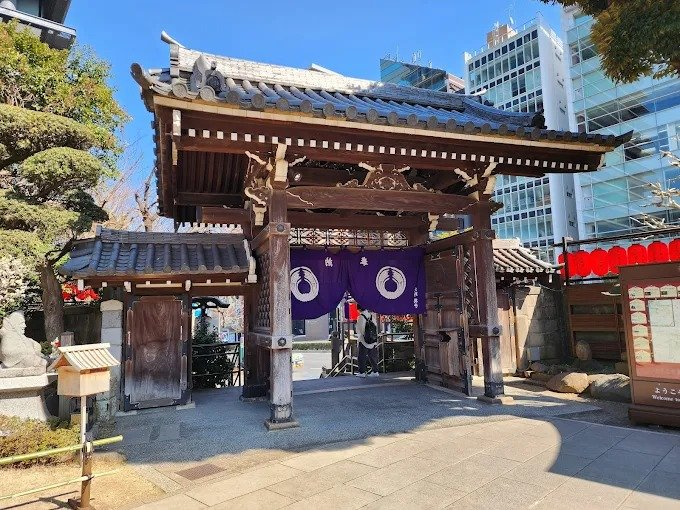
Akasaka Course
A course where you can explore the charms of Akasaka, interwoven with the traditional and the contemporary.
Shinjuku City, Tokyo3.4 km route
portable shrine2.6 km away
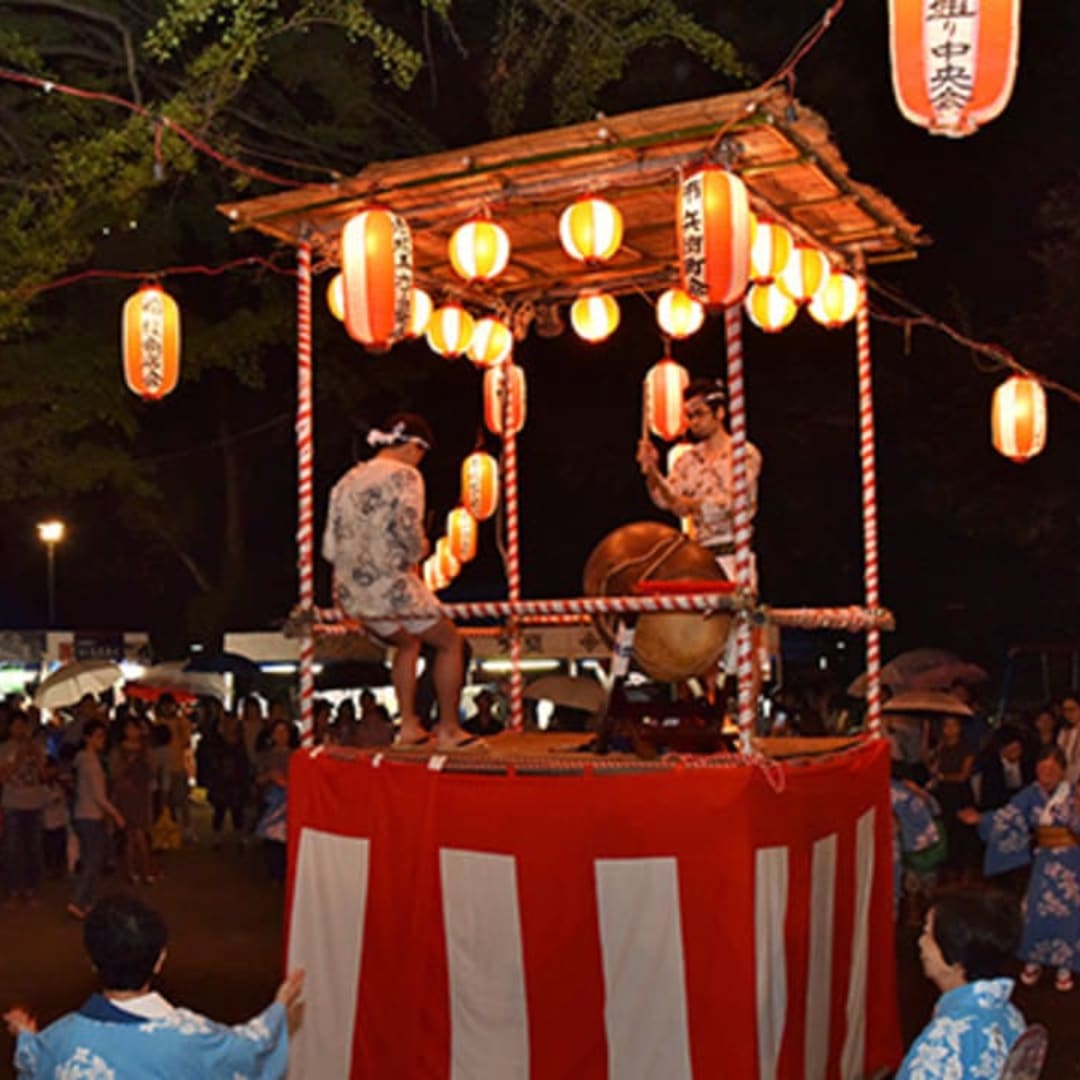
Akasaka Hikawa
Akasaka Hikawa Shrine was originally established in 951 near the entrance of Hitotsugi Street. During the Edo period, the shrine gained the deep reverence of the eighth shogun, Tokugawa Yoshimune, because the Kishu Domain had a residence in Akasaka. In 1730, the shrine was relocated to its current site, and records show that its annual festivals flourished from that time onward. The shrine’s most important ritual is the Reisai (Annual Festival), held on September 15. The lively events that take place around this ritual—such as parades of mikoshi (portable shrines) and floats, bon dances, and food stalls—are collectively called Shinnigiwai, and together they form what is known as the Akasaka Hikawa Festival. This year, the festival is scheduled for three days, from Friday, September 13 to Sunday, September 15. On the 13th, the Yoimiya Parade will feature the Hikawa float and local mikoshi against the backdrop of the evening streets. On the 14th, the Children’s Parade will showcase children carrying mikoshi along with a taiko float. On the 15th, the Shinkosai (Grand Procession) will unite five Hikawa floats and the shrine’s main mikoshi for a large joint parade.
Minato City, Tokyo2 km route